Cyclosporiasis Outbreak: Severe Diarrhea Spreading Across US Midwest and New York City
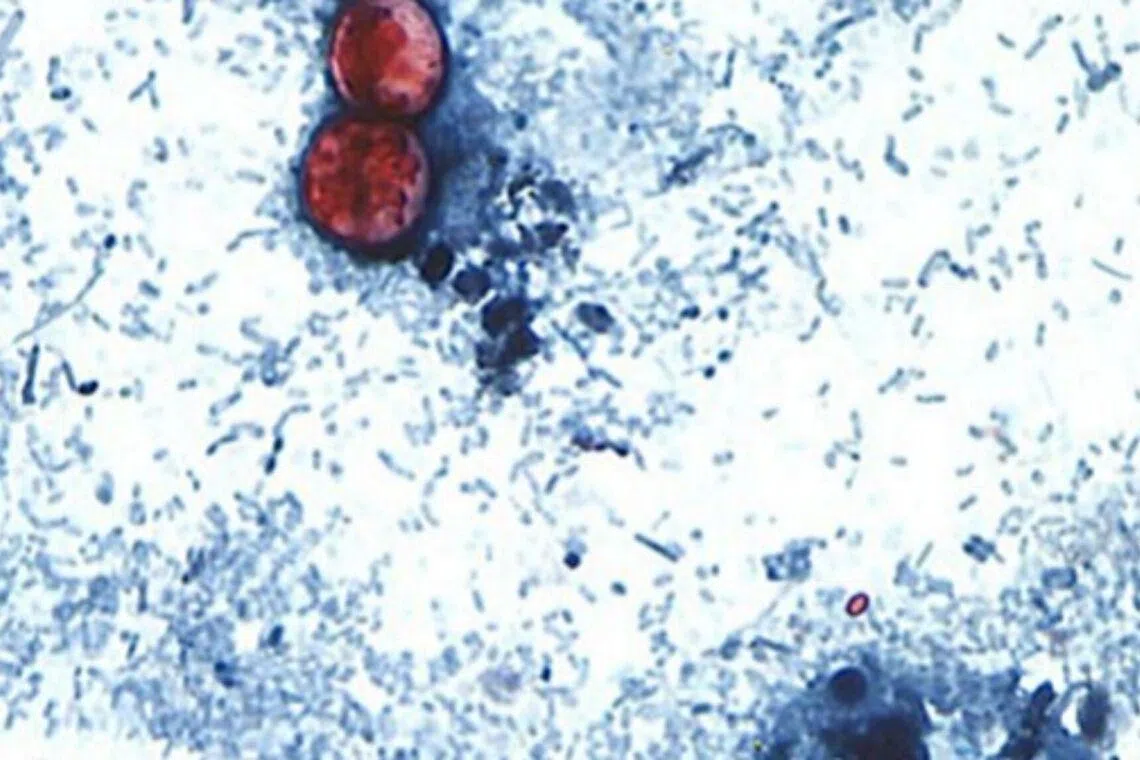
A parasitic illness known as cyclosporiasis is currently causing widespread outbreaks of severe diarrhea across the US Midwest and in New York City. This infection, caused by the parasite Cyclospora cayetanensis, can lead to frequent watery bowel movements that may persist for several days or even extend over months. Health officials are monitoring the situation closely as the parasite spreads. Cyclosporiasis is typically contracted by consuming contaminated food or water. The parasite infects the small intestine and can cause significant gastrointestinal distress. Symptoms often include watery diarrhea, loss of appetite, stomach cramps, bloating, gas, nausea, and fatigue. While most healthy individuals recover with appropriate treatment, the prolonged nature of the illness can be debilitating. Public health agencies are investigating the source of the contamination to prevent further spread and advise the public on preventative measures. These measures often include thorough handwashing and careful food preparation. The current outbreaks highlight the ongoing challenges in foodborne illness surveillance and control in the United States.
The current cyclosporiasis outbreaks underscore the persistent vulnerabilities in food safety and public health surveillance systems. The spread of a waterborne parasite across multiple regions points to potential systemic issues in agricultural practices, water treatment, or supply chain integrity. Addressing such outbreaks requires a multi-faceted approach, focusing not only on immediate containment and treatment but also on long-term preventative strategies. This includes enhancing regulatory oversight of food production, improving water quality monitoring, and fostering greater public awareness regarding food hygiene. Looking ahead, the integration of advanced data analytics and predictive modeling could significantly improve early detection and response to future foodborne illnesses, mitigating their impact on public health and the economy.
AI-generated to prompt reflection — not editorial opinion, not advice, not a statement of fact. How this works.