Cyclosporiasis Outbreak Spreads to 31 US States, Exceeding Normal Case Numbers
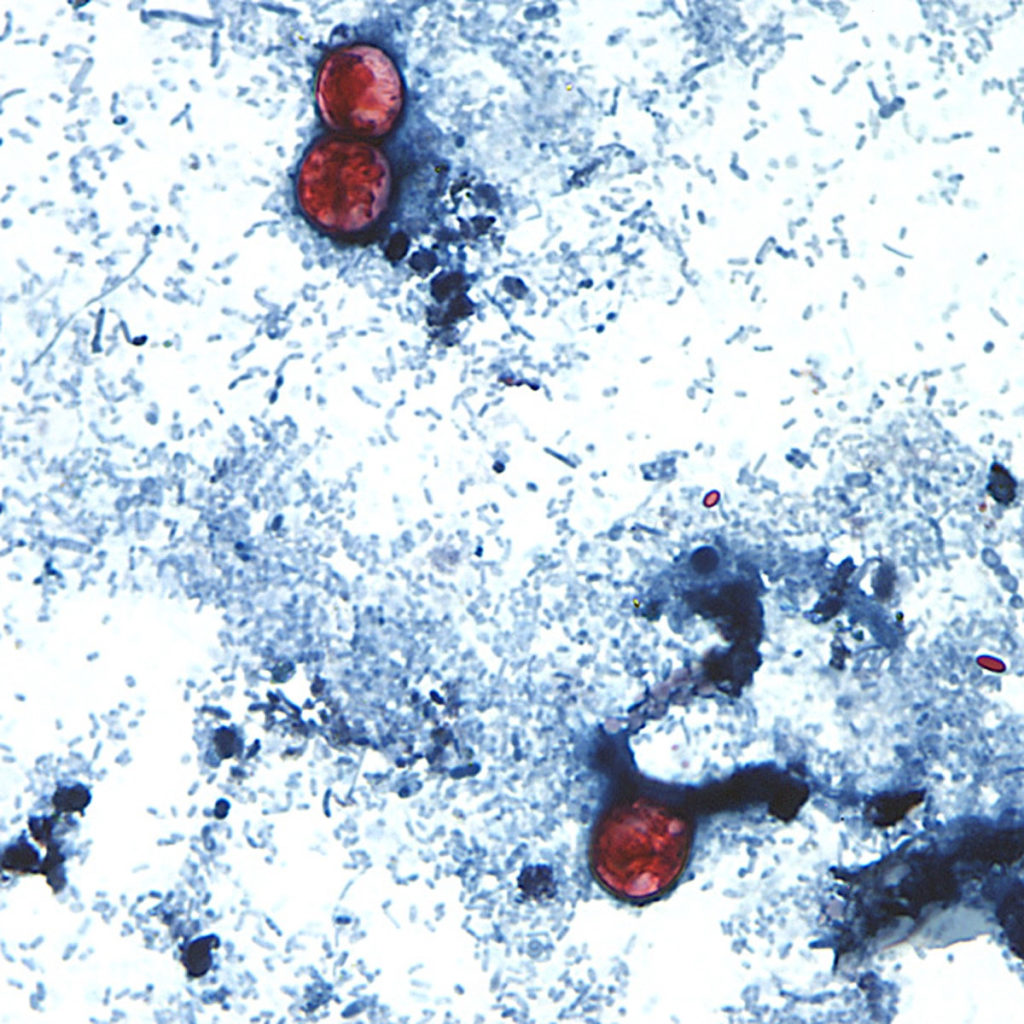
An outbreak of the parasitic intestinal illness cyclosporiasis has now been reported in 31 states across the United States, causing significant discomfort for those infected. This year's case numbers are notably higher than typically observed during previous outbreaks, prompting serious concern. Dr. Omer Awan from the University of Maryland School of Medicine discussed the situation, highlighting the elevated number of cases this summer. Cyclosporiasis is an intestinal infection caused by the Cyclospora parasite, which is transmitted through contaminated food or water. Symptoms typically include diarrhea, loss of appetite, weight loss, stomach cramps, nausea, vomiting, and fatigue. The parasite is spread when a person consumes food or water contaminated with human feces containing the Cyclospora cayetanensis parasite. Produce, particularly fresh fruits and vegetables, is often identified as a common source of contamination in past outbreaks. Public health officials are investigating the specific produce items linked to the current surge in cases. The Centers for Disease Control and Prevention (CDC) is monitoring the situation and providing guidance to healthcare providers and the public. The higher-than-usual number of cases underscores the importance of food safety and hygiene practices.
The current cyclosporiasis outbreak, affecting 31 states and exceeding typical case numbers, highlights systemic vulnerabilities in food supply chains and agricultural practices. The elevated incidence suggests potential challenges in tracing contamination sources, particularly with fresh produce, which can be exposed to various contamination points from farm to table. This situation necessitates a review of current food safety protocols and inspection regimes to identify and mitigate risks more effectively. Future public health strategies may need to incorporate enhanced surveillance and rapid response mechanisms, alongside greater transparency from producers regarding sourcing and handling practices. Addressing the root causes of such outbreaks is crucial for protecting public health and maintaining consumer confidence in the food supply, especially as globalized food systems become more complex.
AI-generated to prompt reflection — not editorial opinion, not advice, not a statement of fact. How this works.