Cyprus Problem Central to Complex Regional Geopolitics, UN Chief Notes
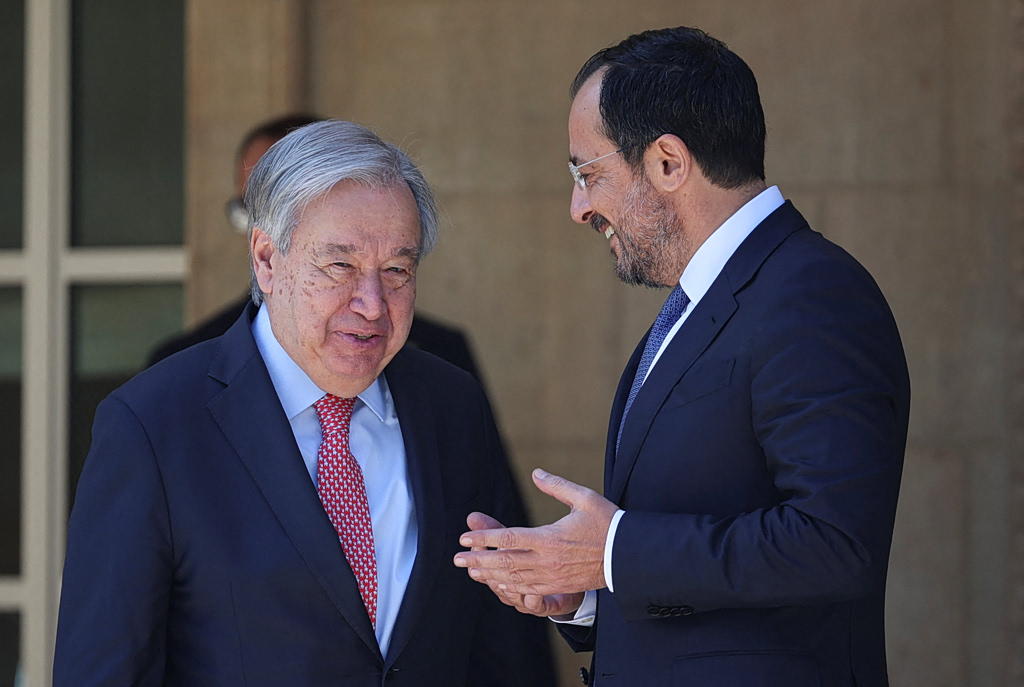
The resolution of the Cyprus problem is intrinsically linked to the region's geopolitical equation, as stated by United Nations Secretary-General António Guterres during his recent visit to Cyprus. This geopolitical landscape has undergone significant transformations over the past decade, particularly since 2017, the year of the last concerted, yet unsuccessful, effort to resolve the issue. The ongoing complexities highlight the intertwined nature of the Cyprus issue with broader regional dynamics. Guterres' remarks underscore the international community's recognition of this linkage. The failure of past attempts suggests deep-seated challenges that extend beyond bilateral negotiations. The evolving regional context, influenced by various international and local actors, further complicates the path toward a lasting solution. The Secretary-General's emphasis on the geopolitical dimension signals that any potential breakthrough will likely require addressing these wider strategic considerations. The situation remains a critical point of focus for regional stability and international diplomacy.
The UN Secretary-General's framing of the Cyprus problem within a "geopolitical equation" suggests that its resolution is not solely a matter of bilateral negotiation but is deeply embedded in regional power dynamics and strategic interests. This perspective implies that external factors and the broader international environment significantly influence the prospects for a settlement. The statement acknowledges the dramatic shifts in the region since 2017, indicating that any future efforts must account for this altered strategic landscape. Understanding these systemic pressures and the incentives of various regional and international actors is crucial for identifying potential pathways forward. The challenge lies in navigating these complex geopolitical currents to foster an environment conducive to a sustainable resolution, rather than allowing the issue to remain a persistent point of regional instability.
AI-generated to prompt reflection — not editorial opinion, not advice, not a statement of fact. How this works.
