Czech carsharing use surges, often replacing second household vehicles
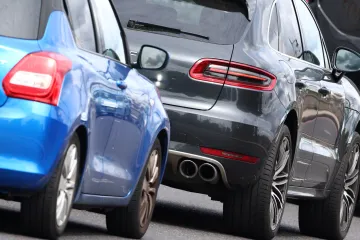
The use of shared cars in the Czech Republic is expanding beyond occasional users, according to the Czech Carsharing Association. The number of shared vehicles in the country has grown significantly, reaching 2,149 in 2026, a substantial increase from just 30 in 2014. Service operators report that carsharing is increasingly becoming a viable alternative to owning a second car within a household. This trend also allows younger individuals to postpone the purchase of their own automobiles. Furthermore, some drivers are utilizing shared vehicles for weekend trips and vacations, indicating a growing flexibility and utility in the service.
The escalating adoption of carsharing in the Czech Republic suggests a broader societal shift towards service-based mobility over personal vehicle ownership. This trend aligns with global movements driven by economic considerations, urban density, and evolving consumer preferences in the digital age. As younger generations prioritize access over ownership, carsharing models may continue to disrupt traditional automotive markets. The long-term implications could involve reduced demand for new car sales, increased pressure on public transportation infrastructure to integrate seamlessly with shared services, and a reevaluation of urban planning to accommodate fewer private vehicles. This evolution presents both opportunities for innovative mobility providers and challenges for established automotive manufacturers and policymakers seeking to manage urban congestion and environmental impact.
AI-generated to prompt reflection — not editorial opinion, not advice, not a statement of fact. How this works.