Czech Coalition Seeks to End Statute of Limitations for Murder
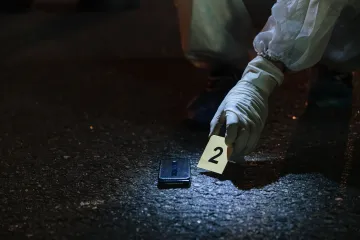
The ruling coalition in the Czech Republic is proposing legislation to eliminate the statute of limitations for murder, meaning perpetrators could face charges indefinitely. Currently, law enforcement cannot prosecute crimes older than thirty years. A similar proposal has also emerged in the Senate. Proponents of both legislative initiatives cite advancements in forensic science, particularly DNA analysis, as the primary justification for the proposed change. The Minister of Justice, Jeroným Tejc (ANO), indicated that this amendment would likely affect only a handful of cases. This move aims to ensure that serious violent crimes do not go unpunished due to the passage of time, reflecting a growing global trend in revisiting such legal statutes.
The proposed legislative changes in the Czech Republic reflect a global re-evaluation of statutes of limitations for severe offenses, driven by technological advancements in forensic science. This shift acknowledges that historical investigative limitations should not permanently shield perpetrators from justice, especially with the advent of DNA profiling and other sophisticated methods. Such reforms raise complex questions about legal finality versus the pursuit of justice, potentially impacting cold cases and historical investigations. The debate highlights the evolving balance between legal precedent and the evolving capacity to solve crimes, prompting consideration of how societies address past wrongs in light of future investigative capabilities.
AI-generated to prompt reflection — not editorial opinion, not advice, not a statement of fact. How this works.