Czech Education Minister: Abolishing 9th Grade Not Under Consideration
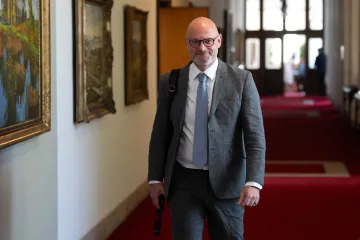
Czech Minister of Education Robert Plaga has stated that abolishing the ninth grade of primary schools is not currently being considered. This decision follows discussions with Prime Minister Andrej Babiš, as mentioned by Plaga in an interview with Radiožurnál. The proposal to shorten compulsory education had been raised by Tomio Okamura, chairman of the Chamber of Deputies and leader of the ruling SPD party, and also by Prime Minister Babiš. Plaga dismissed the claimed savings of 50 billion Czech crowns, which Okamura suggested would result from shortening the school year, as unrealistic. The minister expressed his intention to engage in a discussion about the efficiency of the Czech education system, emphasizing that this goal cannot be achieved through simplistic budget cuts.
The Czech government's deliberation on potentially shortening compulsory education touches upon fiscal management and educational system efficiency. While proponents cite potential savings, the Minister of Education's assertion that these figures are unrealistic and that cuts are not the solution suggests a divergence in fiscal priorities and educational philosophy. This situation highlights a common tension between immediate budgetary concerns and long-term investment in human capital. The debate over educational structure and funding will likely continue, influenced by evolving economic conditions and societal needs, particularly as nations increasingly focus on skills development for the future digital economy. Evaluating the true cost-benefit of educational reforms requires a comprehensive analysis of long-term societal impacts beyond short-term financial projections.
AI-generated to prompt reflection — not editorial opinion, not advice, not a statement of fact. How this works.