Czech PM Babiš Accuses President Pavel of Misinterpreting Constitution
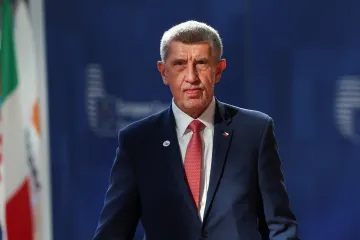
Czech Prime Minister Andrej Babiš has accused President Petr Pavel of interpreting the constitution according to his own will. In an interview with Deník.cz, Babiš stated that President Pavel invented an unconstitutional condition by demanding that Babiš declare how he would resolve his conflict of interest before being appointed Prime Minister. Babiš also criticized President Pavel for refusing to appoint Filip Turek, a Member of Parliament for the Motorists party, as a minister. Furthermore, Babiš took issue with President Pavel's handling of matters related to the North Atlantic Treaty Organization (NATO) summit. The Prime Minister's remarks highlight a significant political disagreement regarding the President's powers and actions in forming a government and conducting foreign policy.
The exchange between Prime Minister Babiš and President Pavel underscores a fundamental tension in constitutional democracies: the interpretation and application of foundational legal documents by executive leaders. Babiš's assertion that Pavel is 'interpreting the constitution as he wishes' points to a potential divergence in understanding the boundaries of presidential authority, particularly concerning pre-appointment conditions and ministerial appointments. Such disputes can reflect differing views on governmental formation processes, conflict of interest regulations, and the balance of power between the executive branches. Navigating these interpretations is crucial for maintaining governmental stability and public trust, especially in the context of evolving political landscapes and international relations, such as those involving NATO.
AI-generated to prompt reflection — not editorial opinion, not advice, not a statement of fact. How this works.