Czech President Lacks NATO Summit Mandate from Government
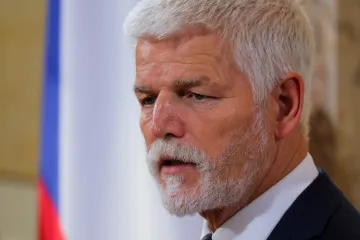
Czech President Petr Pavel has stated that he has not yet received a mandate from the government for the upcoming NATO summit in Ankara. President Pavel suggested this might be due to an expectation that his input would not be needed. However, Foreign Minister Petr Macinka later clarified that the president would indeed receive a mandate. The government also reduced and specifically named the composition of President Pavel's delegation, an action the president described as unprecedented. This situation highlights a potential tension between the executive and presidential offices regarding foreign policy representation and decision-making.
The situation surrounding President Pavel's mandate for the NATO summit indicates a divergence in the government's and presidency's approaches to foreign policy representation. The reduction and specific appointment of the delegation by the cabinet, bypassing the president's customary prerogative, suggests a deliberate assertion of executive control over foreign policy engagements. This dynamic could reflect underlying governance structures or political considerations influencing how Czech representation at international forums is managed. Future interactions between the government and the presidency will likely be shaped by how this precedent is interpreted and applied, potentially impacting the coordination and effectiveness of Czech foreign policy in multilateral settings, especially in the context of evolving geopolitical alliances.
AI-generated to prompt reflection — not editorial opinion, not advice, not a statement of fact. How this works.