Czech Republic Bans Student Phone Use in Kindergartens and Schools
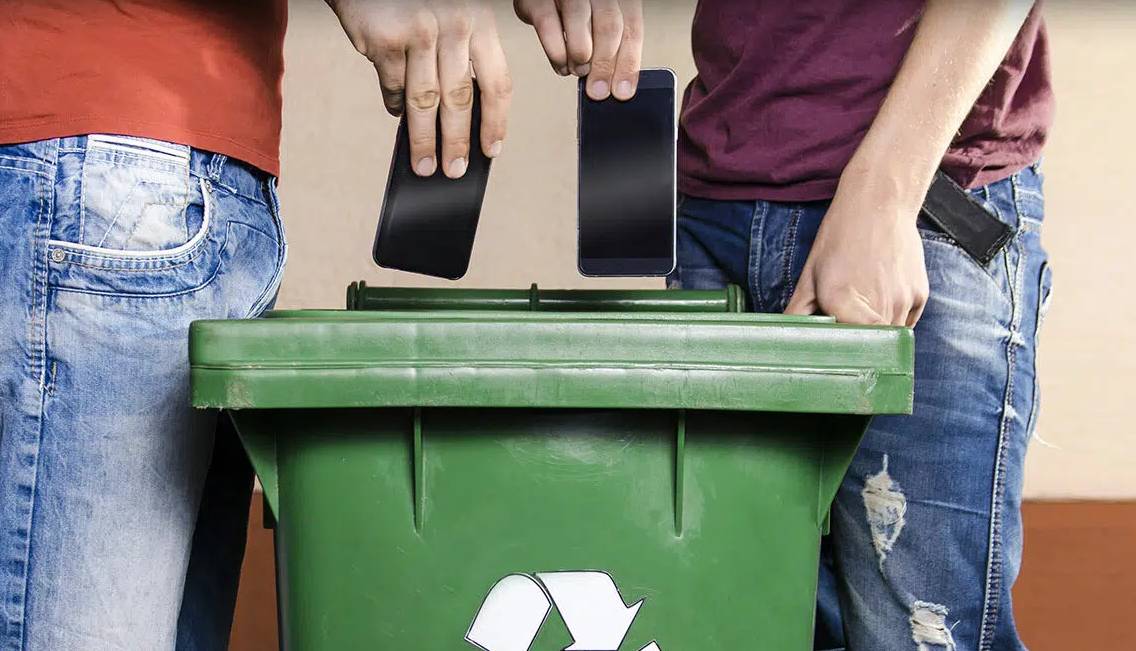
The Czech Republic has implemented a ban on the use of mobile phones by children in kindergartens and schools. This new regulation aims to reduce distractions and promote a more focused learning environment for young students. The decision was made to address concerns about the impact of constant digital connectivity on children's development and educational engagement.
While specific details regarding enforcement and exceptions are still emerging, the core of the policy is to restrict phone access during school hours. Educators and parents have expressed mixed reactions, with some supporting the move as a necessary step to curb excessive screen time, while others worry about potential communication issues and the loss of educational tools that phones can sometimes provide. The government hopes this measure will encourage more direct social interaction and improve overall academic performance.
This policy shift in the Czech Republic reflects a growing global concern regarding the integration of mobile technology in educational settings for young children. By restricting phone use, the government is attempting to reassert traditional pedagogical values and mitigate potential negative impacts of digital devices on cognitive development and social skills. The long-term effectiveness will likely depend on consistent implementation and the availability of alternative engagement strategies. Future considerations may involve balancing digital literacy education with the need for focused learning environments, especially as technology continues to evolve and integrate into daily life.
AI-generated to prompt reflection — not editorial opinion, not advice, not a statement of fact. How this works.