Czech Republic Withdraws from NATO's 70 Billion Euro Ukraine Aid Package
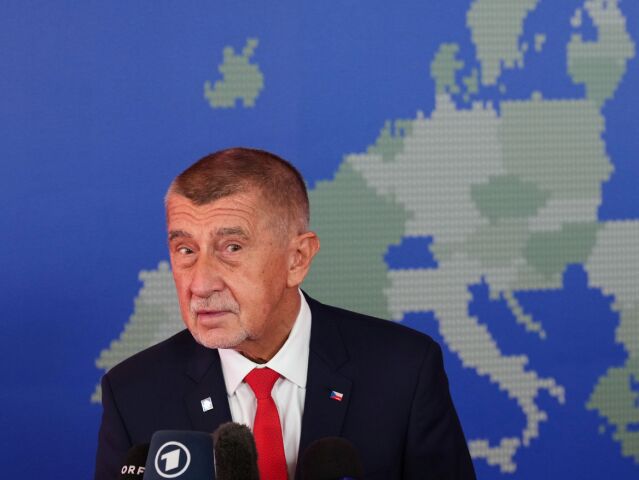
Czech Prime Minister Andrej Babiš announced that the Czech Republic will not participate in the 70 billion euro military aid package for Ukraine. This initiative was declared by NATO member states at a summit in Ankara on Wednesday. Babiš stated that Europe should prioritize strengthening its own defense capabilities, particularly against ballistic missiles. The decision reflects a shift in the Czech Republic's foreign policy priorities, emphasizing national defense over contributing to international aid for Ukraine at this scale. The move comes as NATO seeks to bolster support for Ukraine amidst ongoing geopolitical tensions. The Prime Minister's statement suggests a re-evaluation of resource allocation within the European security framework. Further details on the specific reasons for this withdrawal and its implications for NATO's broader strategy are expected.
The Czech Republic's decision to withdraw from the substantial NATO aid package for Ukraine signals a potential divergence in strategic priorities among member states. Prime Minister Babiš's emphasis on domestic defense capabilities, specifically against ballistic missiles, suggests a focus on immediate, perceived national security threats. This approach may reflect an assessment of evolving geopolitical risks, prioritizing self-reliance in defense infrastructure. Such a stance could influence future collective security initiatives, prompting a debate on burden-sharing and the balance between national defense investments and international commitments. The long-term implications for NATO cohesion and its ability to project unified support for allies will depend on how other member states respond and whether this represents a broader trend or a singular national adjustment.
AI-generated to prompt reflection — not editorial opinion, not advice, not a statement of fact. How this works.