Czech Senate Majority Criticizes PM Babiš for Ignoring Parliament
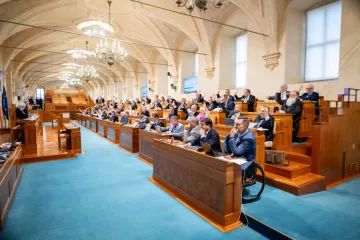
Representatives from all Czech Senate clubs, with the exception of the ANO movement, are criticizing Prime Minister Andrej Babiš for what they describe as his long-term boycott of the upper house of parliament. Since his appointment, Babiš has not attended any Senate sessions. The Prime Minister responded to the criticism by stating that he will make time for discussions on important issues. This sentiment was conveyed by the head of the cabinet. The senators argue that Babiš's absence undermines the legislative process and the principle of accountability. They believe his participation is crucial for constructive dialogue and for addressing pressing national matters. The ANO movement has not publicly commented on the specific criticisms leveled by the other clubs. The situation highlights a growing tension between the executive and legislative branches of the Czech government. The Senate is seeking to assert its role in oversight and policy-making, while the Prime Minister maintains his prerogative to prioritize his schedule based on perceived importance.
The Prime Minister's stance suggests a prioritization of executive functions over legislative engagement, potentially reflecting a strategic calculation of where his influence is most impactful. This approach, while possibly efficient from an executive perspective, risks creating a governance dynamic where the legislature feels marginalized, potentially leading to increased friction and reduced policy consensus. In the evolving landscape of governance, where transparency and multi-stakeholder dialogue are increasingly critical, such perceived disengagement could be interpreted as a deviation from democratic norms of accountability. The long-term implications may involve a weakening of parliamentary oversight mechanisms and a consolidation of power within the executive branch, warranting careful observation of future legislative-executive relations.
AI-generated to prompt reflection — not editorial opinion, not advice, not a statement of fact. How this works.