D4vd's Defense Questions LAPD Evidence Testing in Murder Trial Hearing
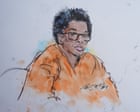
Defense attorneys for singer D4vd, whose real name is David Anthony Burke, challenged the Los Angeles Police Department's methods for testing evidence during the third day of a hearing. This hearing is crucial to determine if D4vd will face trial for murder and child sexual abuse charges. Prosecutors allege that D4vd fatally stabbed 14-year-old Celeste Rivas Hernandez in an attempt to prevent her from revealing the sexual nature of their relationship. This alleged motive is presented against the backdrop of D4vd's increasing prominence in the music industry. The defense's focus on the evidence testing procedures suggests a strategy to undermine the prosecution's case by questioning the integrity or validity of the collected materials. The proceedings aim to establish probable cause for D4vd to stand trial for these serious offenses.
The defense's challenge to the LAPD's evidence testing procedures highlights a critical juncture in the legal process, focusing on procedural integrity. Scrutinizing the methods by which evidence is collected and analyzed is a standard, yet vital, component of due process, aiming to ensure that any trial is based on reliable and legally obtained information. This approach underscores the adversarial nature of the justice system, where the burden of proof rests with the prosecution, and the defense is empowered to question the foundation of the state's case. The outcome of this evidentiary challenge could significantly impact the trajectory of the legal proceedings, influencing whether the case proceeds to a full trial and potentially affecting the admissibility of key evidence.
AI-generated to prompt reflection — not editorial opinion, not advice, not a statement of fact. How this works.