DA MP: Lifestyle audits vital as lobbying blurs into corruption
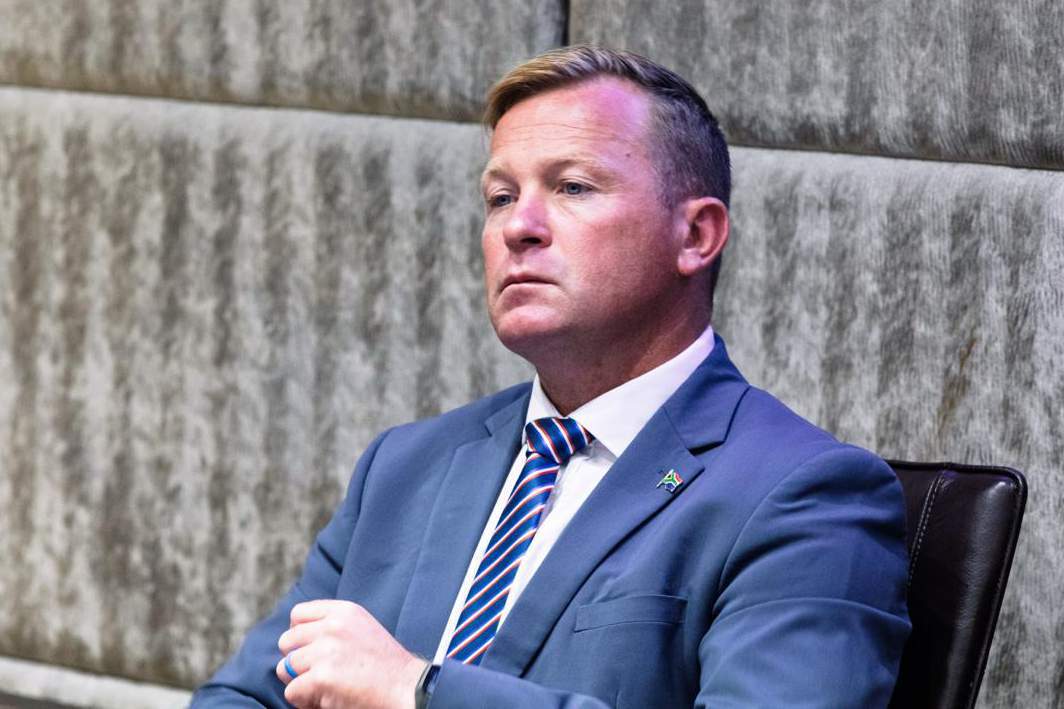
The chairperson of the Portfolio Committee on Public Service and Administration, Democratic Alliance (DA) Member of Parliament (MP) Jan de Villiers, has emphasized the critical need for lifestyle audits in South Africa. He stated that while lobbyists meeting with government officials is a standard practice, the situation becomes problematic when financial transactions are involved. De Villiers explicitly linked the exchange of money to corruption, highlighting a key area of concern within public administration. His remarks underscore the potential for undue influence and illicit dealings when lobbying activities are not transparent and adequately scrutinized. The call for lifestyle audits aims to enhance accountability and prevent corrupt practices within the government sector. This measure is intended to provide a clearer picture of officials' financial dealings and ensure they are not influenced by improper financial gains.
The statement by DA MP Jan de Villiers highlights a fundamental tension in governance: the line between legitimate advocacy and corrupt influence. While lobbying itself is a recognized part of policy development, the introduction of financial transactions creates a clear ethical and legal boundary. The call for lifestyle audits suggests a systemic concern about the potential for illicit enrichment and compromised decision-making within public service. Implementing robust lifestyle audits could serve as a deterrent against corruption and promote greater public trust by ensuring that officials' financial activities align with their public duties. This approach addresses the incentive structures that might encourage officials to prioritize private financial gain over public interest, thereby strengthening governance frameworks for the future.
AI-generated to prompt reflection — not editorial opinion, not advice, not a statement of fact. How this works.