Daihatsu Recalls Over 290,000 Vehicles, Including Hijet Trucks
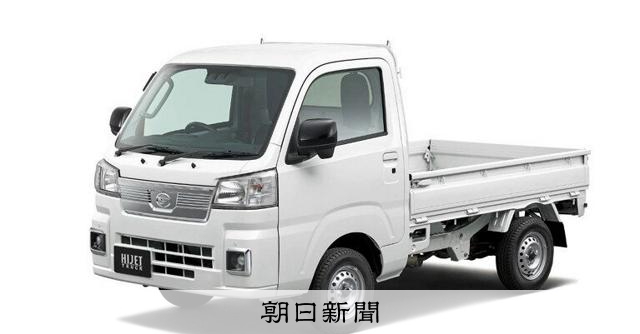
Daihatsu Motor Co., Ltd. has announced a recall affecting approximately 290,000 vehicles. The recall primarily concerns the popular "Hijet Truck" model, along with other related vehicles. The specific reason for the recall has not yet been detailed in the provided information. However, recalls of this magnitude typically address potential safety defects or issues that could impact vehicle performance or compliance with regulations. Daihatsu, a subsidiary of Toyota Motor Corporation, is known for its range of compact and kei-car vehicles, particularly popular in Japan and other Asian markets. The company is expected to provide further details regarding the defect and the necessary repair procedures for affected customers. Owners of the recalled vehicles will likely be contacted by Daihatsu or its dealerships to arrange for inspections and necessary repairs. This action underscores the ongoing commitment of automotive manufacturers to vehicle safety and quality control, even for their most established models. The financial and operational impact of such a large-scale recall will be closely monitored.
This recall of nearly 300,000 vehicles by Daihatsu highlights the critical importance of robust quality control and supply chain integrity in the automotive industry. Even established manufacturers face challenges in ensuring defect-free production across vast model ranges and complex manufacturing processes. The scale of this recall suggests a potentially systemic issue, necessitating a thorough review of Daihatsu's internal quality assurance protocols and component sourcing strategies. Moving forward, the company will need to balance the cost and operational disruption of this recall against the imperative to maintain consumer trust and regulatory compliance. The incident also serves as a reminder of the interconnectedness of global automotive supply chains, where a single component issue can have widespread repercussions.
AI-generated to prompt reflection — not editorial opinion, not advice, not a statement of fact. How this works.