Daily Bread: A Simple Transaction Sustains a World
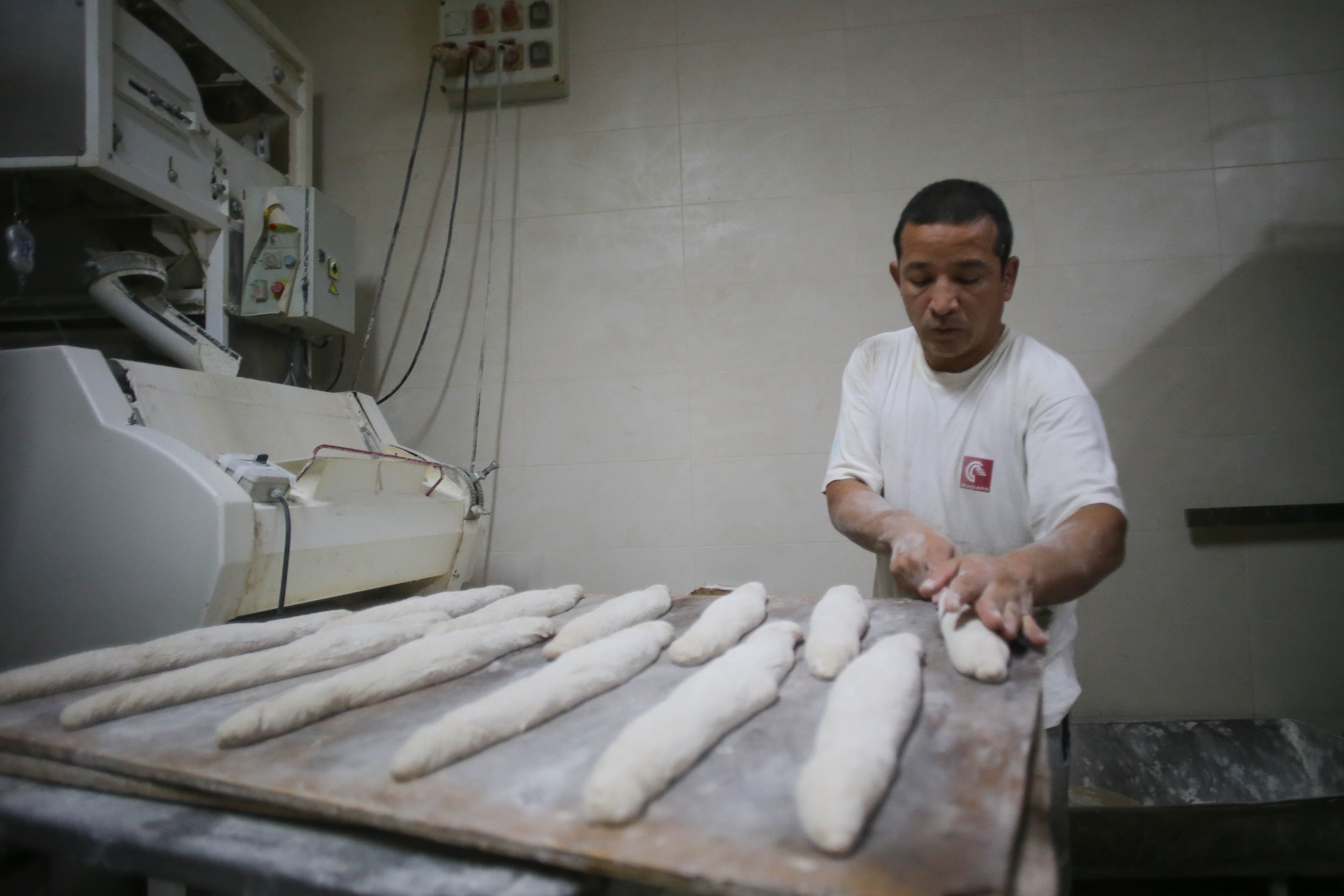
The simple act of someone baking bread and another person buying it signifies a functioning world. This daily ritual, from the baker's hands to the customer's table, represents a fundamental economic exchange. It highlights how even the most basic transactions contribute to the continuation of society. The process involves labor, production, distribution, and consumption, all interconnected. The aroma of freshly baked bread and the routine of purchasing it are familiar elements in many cultures. This seemingly small act underscores the larger systems at play. It speaks to the resilience of human activity and the enduring need for sustenance. The continuity of this practice suggests a stable, ongoing social and economic order. The act of buying bread is more than just a purchase; it's a participation in a timeless human tradition. It demonstrates that as long as these basic needs are met and these simple economies persist, life continues its course.
The enduring practice of daily bread acquisition, from baker to buyer, illustrates a foundational economic loop. This micro-transaction, replicated globally, represents a stable system of production and consumption that underpins societal continuity. The narrative emphasizes the inherent value in simple, tangible exchanges that sustain human needs. Looking ahead, the automation of food production and distribution may alter this traditional model, prompting reflection on how future economies will balance efficiency with the preservation of human-centric, artisanal processes. The persistence of such rituals highlights a deep-seated human desire for connection and tradition, even as technological advancements reshape daily life.
AI-generated to prompt reflection — not editorial opinion, not advice, not a statement of fact. How this works.