Daily Hair Tying: Signs Your Habit May Be Causing Breakage and Damage
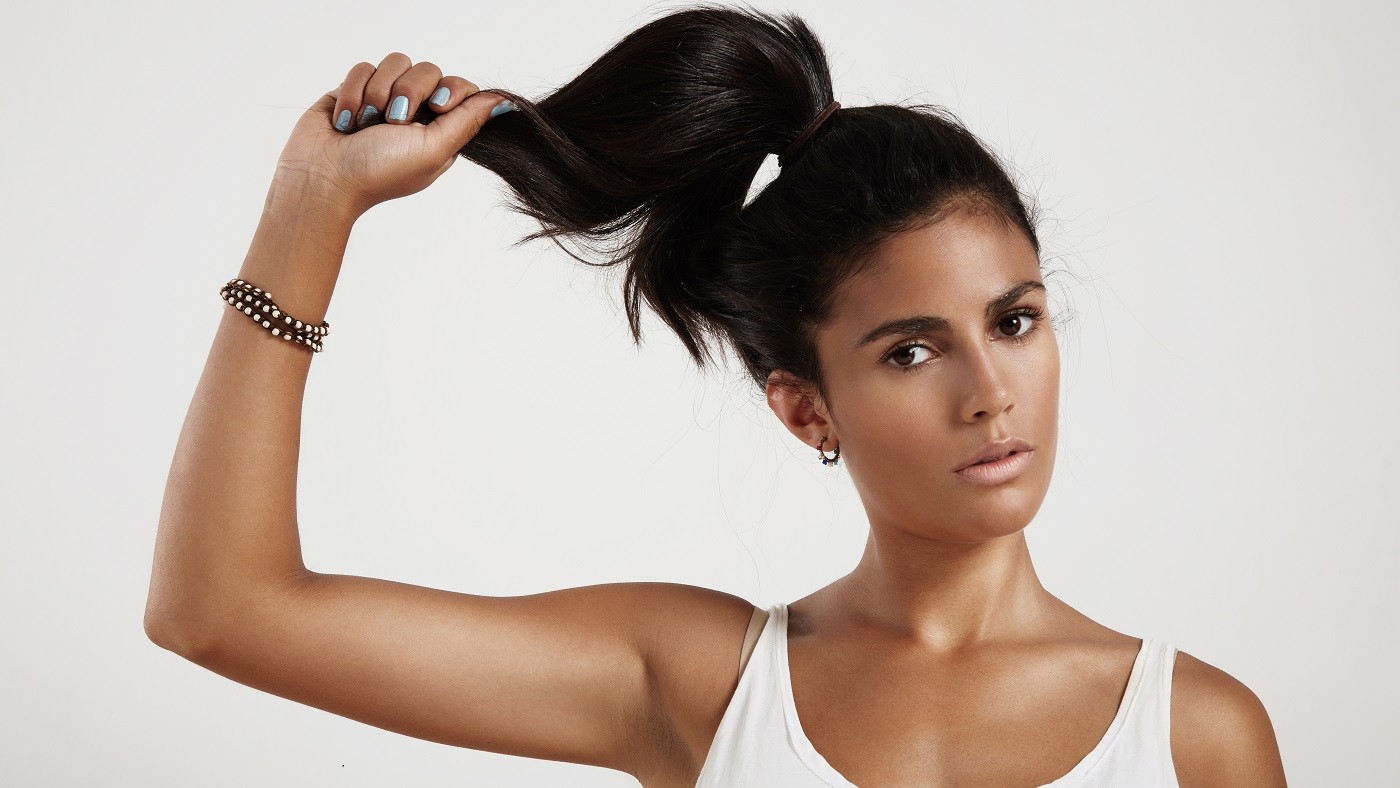
Tying hair back daily for convenience, whether in ponytails, buns, or braids, is a common practice across various hair types and lengths. However, this habit can lead to hair breakage, scalp sensitivity, frizz, and other issues if not done carefully. The primary concern is not the act of tying hair itself, but the repetition of the same hairstyles with excessive tension and inappropriate accessories. Prolonged pulling stresses hair fibers and the scalp, contributing to breakage, increased frizz, shorter strands around the face, and discomfort at the roots. Friction from metallic elastics, rough accessories, or overly tight styles can strip hair of its natural protection, leading to dryness and split ends. Signs that daily hair tying may be causing damage include noticing many broken strands near the forehead, scalp pain when the hair is released, increased frizz in tied areas, thinning hair in specific regions, and rough, brittle ends. Sleeping with hair tied tightly also exacerbates friction and breakage. To mitigate these effects, it is recommended to alternate hairstyle positions, use fabric-covered elastics, avoid excessive tightness, allow hair to be loose periodically, and use protective products before styling. Hair finishing products like gel can provide hold without excessive tightness, reducing the need for strong tension. Ultimately, by varying hairstyles, choosing suitable accessories, and incorporating protective treatments, individuals can continue to tie their hair daily without compromising its health and appearance.
The practice of frequently tying hair back highlights a common tension between convenience and hair health. While modern styling products and accessories aim to mitigate damage, the underlying issue is the mechanical stress placed on hair fibers and the scalp. Over time, repeated tension can lead to traction alopecia and hair breakage, particularly in individuals with predisposed hair types or those who consistently apply high tension. The market response, as seen with specialized product lines, addresses symptoms rather than the root cause of consistent mechanical stress. Future innovations might focus on biomimetic materials or scalp-supportive technologies that reduce friction and tension more effectively, or perhaps even AI-driven personalized styling advice that accounts for individual hair resilience and daily activity patterns to prevent cumulative damage.
AI-generated to prompt reflection — not editorial opinion, not advice, not a statement of fact. How this works.