Dairy Cows' Mandatory 'Dry Period': Why They Pause Milk Production for Two Months
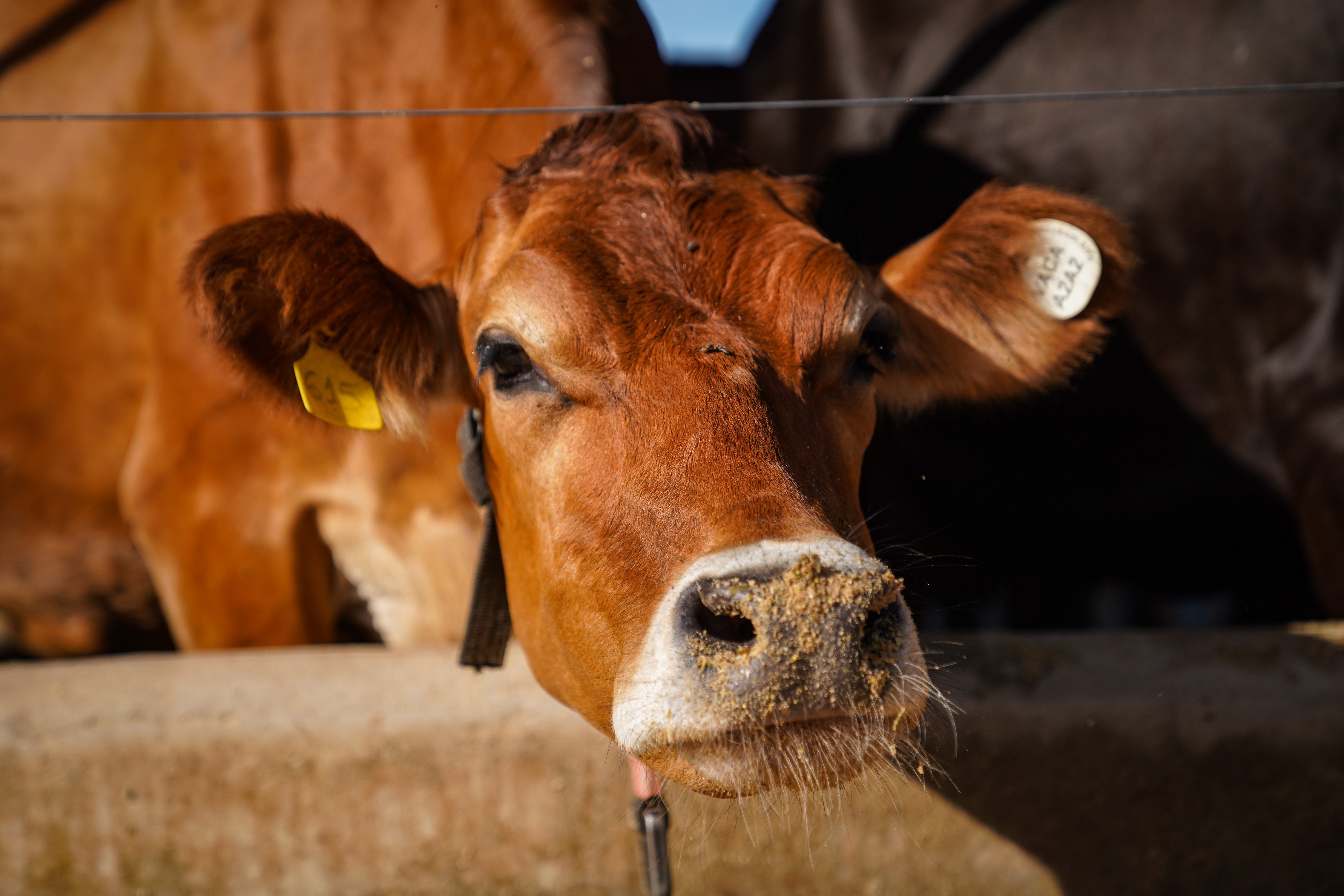
Dairy cows undergo an annual "dry period" of approximately two months, during which they cease milk production. This mandatory break, lasting about 60 days, follows a 10-month milking cycle and is crucial for the cow's well-being and long-term productivity. Rui Verneque, deputy head of Technology Transfer at Embrapa Dairy Cattle, explains that this rest allows the udder, the mammary gland, to recover and enables the animal to focus its energy on its own health. Even if a cow still produces milk, pausing the milking process during this time is recommended to ensure she can resume work with high productivity and a longer lifespan. The dry period typically coincides with the final stages of the cow's roughly nine-month gestation. For pregnant cows, this phase is vital for channeling energy into the growth of the unborn calf. Experts also advise a 60-day "uterine rest" period after calving, meaning the cow should not be reimpregnated immediately. Although cows can become pregnant as early as 20 days postpartum, this recovery time helps their uterine tissue heal. Implementing this break ensures that the cow can successfully calve once a year, maintaining a consistent breeding cycle.
The mandatory dry period for dairy cows represents a biological imperative integrated into efficient agricultural practices. This system acknowledges the physiological demands placed on animals for consistent milk production, balancing immediate output with long-term herd health and reproductive capability. From a systems perspective, this practice mitigates potential issues like mastitis and infertility, which can arise from continuous high-yield demands. Over the next decade, advancements in precision agriculture and animal health monitoring may offer more nuanced approaches to managing individual cow needs during this period, potentially optimizing both animal welfare and economic returns. The challenge lies in ensuring that such practices remain economically viable and are not superseded by short-term production pressures that could compromise herd longevity and sustainability.
AI-generated to prompt reflection — not editorial opinion, not advice, not a statement of fact. How this works.