Dalida: The Tragic Story of a European Diva Who Sang in Ten Languages but Found None to Ask for Help
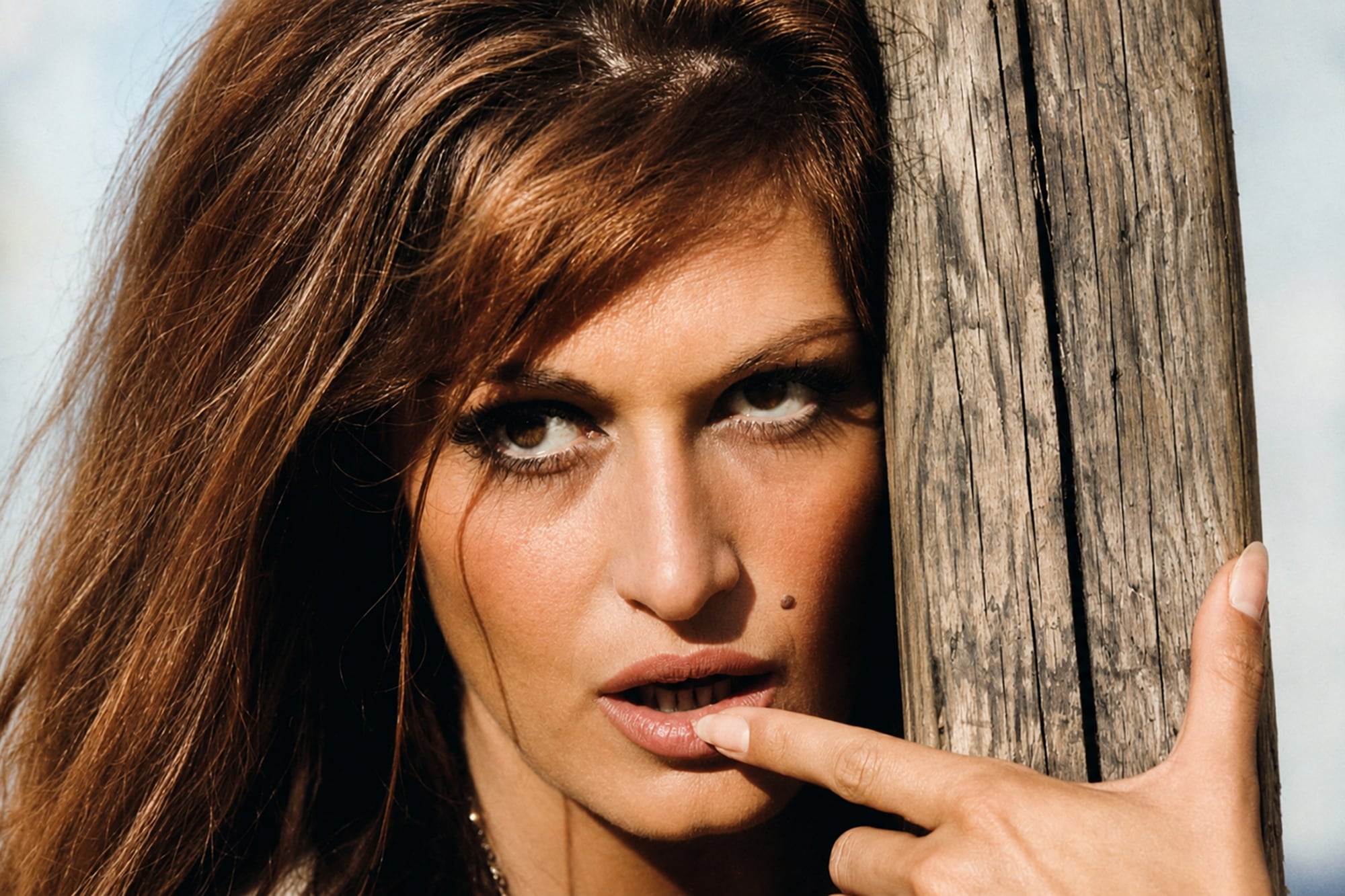
Dalida was a prominent figure in 20th-century French music, renowned for her versatility in singing across ten different languages. Despite her international success and ability to connect with audiences worldwide through song, her personal life was marked by profound tragedy. She achieved significant fame and recognition within the European music scene, becoming a beloved diva whose voice resonated across borders. However, behind the glamorous facade and the multilingual performances, Dalida struggled with immense personal difficulties. The inability to find solace or express her deepest pain in any of the languages she mastered ultimately contributed to her tragic end. Her story serves as a poignant reminder of the disconnect that can exist between public persona and private suffering, even for those who seem to have it all.
Dalida's story highlights the complex relationship between public success and private well-being, particularly for global artists. The pressure of maintaining an international persona, coupled with the emotional toll of personal struggles, can create a profound sense of isolation. This case underscores the importance of robust mental health support systems within the entertainment industry, which often demands immense personal sacrifice. Future considerations for artists should include proactive psychological care and accessible support networks, acknowledging that fame does not confer immunity from human vulnerability. The ability to communicate distress is fundamental, and the lack thereof, even for a multilingual icon, points to systemic gaps in emotional and psychological support structures.
AI-generated to prompt reflection — not editorial opinion, not advice, not a statement of fact. How this works.