Dalit Community's Surname List Delayed by Elite Mindset, Says National Dalit Commission
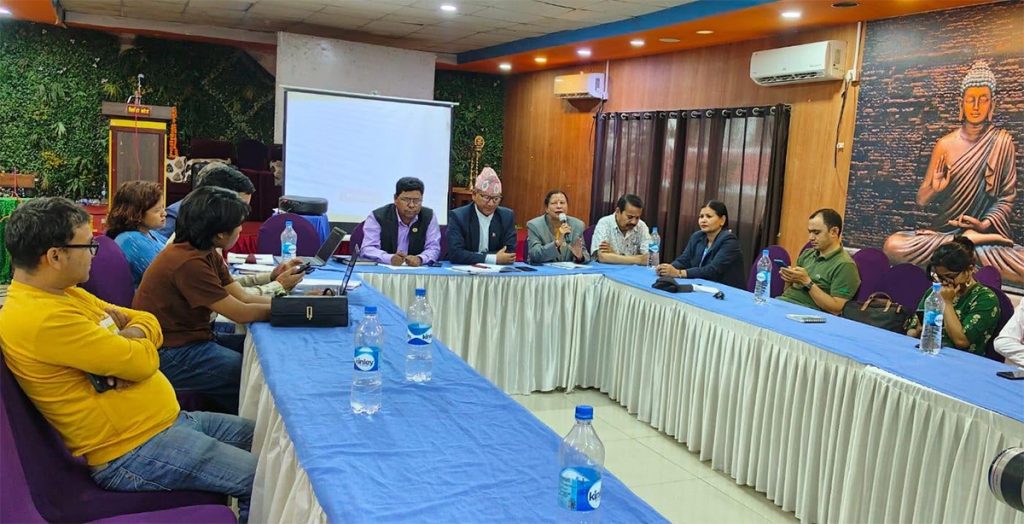
The National Dalit Commission has stated that the primary reason for the long-standing delay in listing surnames of the Dalit community is the mindset of individuals in high-ranking positions. The commission expressed its frustration that despite making recommendations to the government seven times, the surname listing process has not yet been completed. This issue was highlighted during an interaction program organized by the Dalit Journalists Association Nepal in coordination with the National Dalit Commission. The commission pointed to a deeply ingrained caste mentality within the corridors of power, specifically within Singh Durbar, the seat of Nepal's government. This internal resistance is preventing the formal recognition and listing of Dalit surnames. The delay not only affects the community's identity but also has implications for accessing social and economic benefits tied to official recognition. The commission is urging the government to address these systemic barriers and expedite the process.
The prolonged delay in the surname listing for the Dalit community, attributed by the National Dalit Commission to the "mindset" of high-ranking officials, points to persistent structural inequalities within Nepal's governance. This situation reflects a potential conflict between stated national commitments to equality and the practical implementation of policies, suggesting that entrenched social hierarchies may continue to influence bureaucratic processes. The commission's repeated recommendations, seven times without resolution, highlight a governance challenge where policy intent is obstructed by internal resistance. Addressing this requires not just administrative action but a deeper examination of the incentive structures and cultural norms that perpetuate such delays, ensuring that future policy implementation is insulated from discriminatory influences and aligns with principles of equitable representation and recognition.
AI-generated to prompt reflection — not editorial opinion, not advice, not a statement of fact. How this works.