Dam Breach in Canguaretama, RN, Destroys Road and Crops
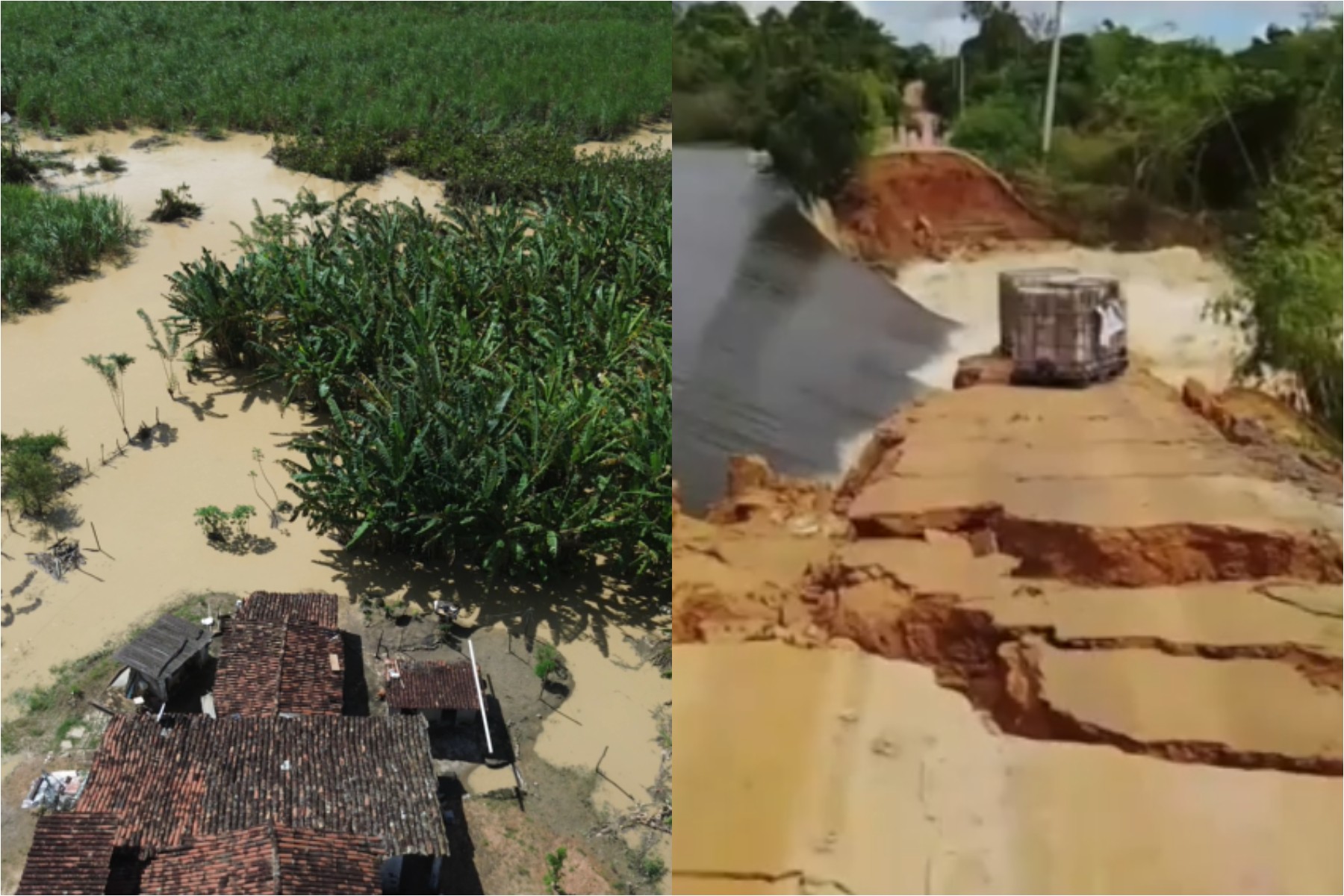
The Outeiro dam, a private structure in the rural area of Canguaretama, Rio Grande do Norte, broke on Sunday morning, May 27th. The breach occurred after recent heavy rains significantly increased the dam's water volume. Fortunately, no injuries were reported, according to the Canguaretama municipal government. The dam is located on the Outeiro Farm, which houses a sugarcane processing plant. The force of the water washed away a barrier, flooding a forested area, destroying crops, and damaging a road within the farm. Some residences were also affected by the flooding, with water reaching parts of two homes without causing major damage. Four cows were reported missing following the incident. The dam, which had been recently expanded by five meters two months prior, was left nearly dry after the breach. Local and state Civil Defense agencies inspected the site and are assessing the damage to affected rural communities. The company responsible for the dam has begun repair work, with machinery visible on-site Monday morning. Witnesses reported observing cracks in the dam days before the collapse.
The breach of the Outeiro dam highlights potential risks associated with private water infrastructure, particularly in regions experiencing variable rainfall. While the immediate aftermath appears to have been managed with minimal human injury, the destruction of property and agricultural land underscores the need for robust oversight and maintenance protocols for such structures. The reported prior fissuring and recent expansion suggest possible issues with structural integrity or construction, warranting a thorough investigation into the engineering and management practices employed. Future considerations should include enhanced monitoring systems and updated safety regulations for private dams to mitigate the impact of extreme weather events and ensure community safety and agricultural stability.
AI-generated to prompt reflection — not editorial opinion, not advice, not a statement of fact. How this works.