Damen Shipyards Seeks Hundreds of Millions in Damages from German Government
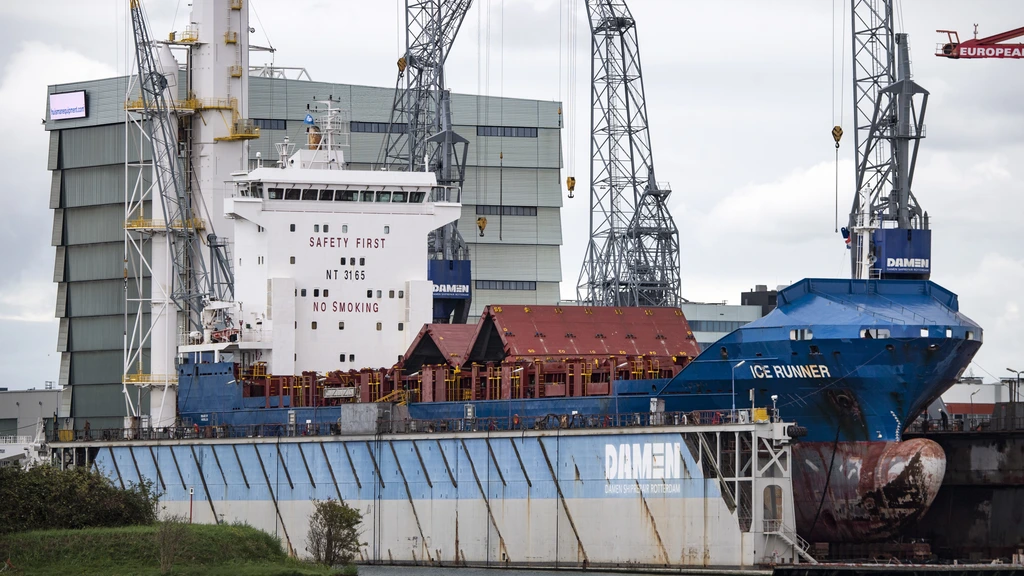
Dutch shipbuilder Damen is reportedly seeking hundreds of millions of euros in damages from the German state, as reported by the Financieele Dagblad. The company has not confirmed this figure. In late June, German Defense Minister Boris Pistorius abruptly canceled an order for six F126 frigates that was initially awarded to Damen. Pistorius cited significant delays and escalating costs as the reasons for the cancellation, stating that the project faced "immeasurable" risks. Damen, however, disputes these claims, with its lawyer asserting in a letter to the German government that the contract termination was a "hasty and arbitrary political decision without legal basis." The lawyer further argued that there was no prior notice of a deadline or warning issued to Damen. This dispute stems from a conflict that arose a year ago when Germany decided to make German shipbuilder NVL, part of Rheinmetall, the main contractor instead of Damen. Although Damen remained involved, its role was ultimately terminated last month. Germany has now ordered eight different frigates from ThyssenKrupp Marine Systems, reportedly costing 11.6 billion euros, compared to the F126 frigates which were estimated to cost up to 18 billion euros. Damen claims its most significant damages stem from partially assembled ship components that are now unusable. The company had committed to performing the work at German shipyards and collaborating with German, French, and other European suppliers.
The cancellation of the F126 frigate contract by Germany and Damen's subsequent claim for substantial damages highlight critical issues in international defense procurement. The dispute underscores the inherent risks in large-scale, multi-year government contracts, particularly when geopolitical considerations and national industrial interests intersect with project execution. From a systems perspective, the situation reveals potential misalignments in contract management, risk assessment, and communication protocols between sovereign entities and major industrial suppliers. The German government's decision, framed by concerns over delays and costs, may reflect a strategic pivot or a response to evolving security assessments, while Damen's legal challenge points to perceived breaches of contractual obligations and a lack of due process. Navigating such complex interdependencies will be crucial for maintaining trust and efficiency in the defense industrial base, especially as global demand for advanced naval capabilities intensifies.
AI-generated to prompt reflection — not editorial opinion, not advice, not a statement of fact. How this works.