Dangerous Heatwave Disrupts Fourth of July Events Across US, Strains Power Grids
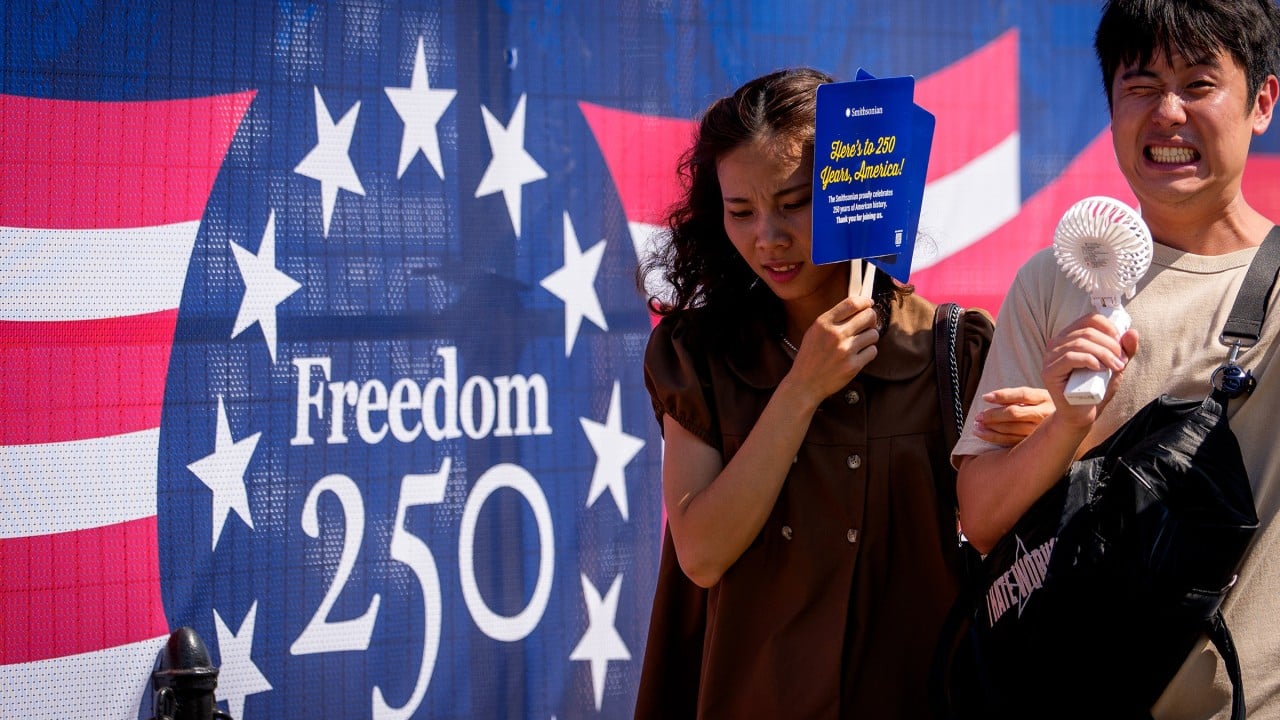
A severe heatwave significantly disrupted Fourth of July celebrations across large parts of the central and eastern United States on Friday. Officials in Washington D.C. and other areas were compelled to cancel or postpone numerous parades, concerts, and fireworks displays due to the extreme temperatures. The Great American State Fair, held on the National Mall in Washington D.C. and intended as a key event for President Donald Trump's commemoration of the nation's 250th birthday, was among the celebrations affected. The fair aimed to showcase all 50 states. The intense heat also placed considerable strain on the nation's power grids as demand for electricity surged for air conditioning. This situation highlights the growing vulnerability of public events and critical infrastructure to extreme weather phenomena, particularly during peak demand periods.
The widespread disruption of public events and strain on power grids due to extreme heat underscores the increasing impact of climate change on societal infrastructure and celebrations. As weather patterns become more volatile, urban planning and event management strategies will need to incorporate resilience against such conditions. The reliance on energy-intensive cooling systems during heatwaves also exposes systemic vulnerabilities in power generation and distribution, prompting a re-evaluation of energy infrastructure needs and the potential for renewable energy integration to mitigate peak load demands. This trend suggests a future where public gatherings and essential services must be designed with greater adaptability to environmental challenges.
AI-generated to prompt reflection — not editorial opinion, not advice, not a statement of fact. How this works.