Danube Drought Sparks Energy Crisis Fears in Central Europe
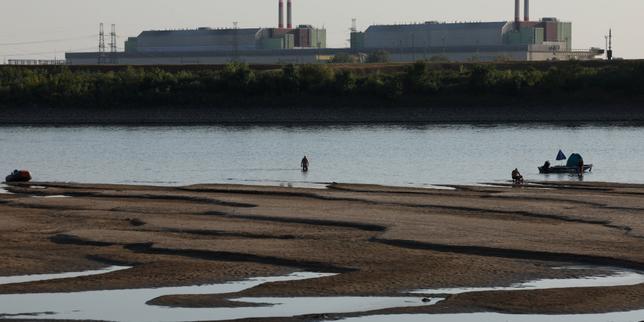
Central European nations are facing a potential energy crisis due to historically low water levels in the Danube River, Europe's largest river. The drought has forced several countries to reduce operations at their nuclear power plants. Hungary has specifically urged both businesses and individual citizens to significantly cut down their energy consumption. This situation highlights the vulnerability of energy infrastructure to climate-related events. The low water levels impede crucial industrial processes and transportation, further exacerbating the energy supply challenges. The call for drastic consumption reductions indicates the severity of the situation and the government's concern about potential shortages. This event underscores the interconnectedness of environmental conditions and energy security in the region. The implications extend beyond immediate supply issues, potentially affecting economic stability and daily life for millions.
The current drought impacting the Danube River presents a critical test for Central Europe's energy infrastructure and governance. The reliance on nuclear power, which requires significant water for cooling, is exposed as a vulnerability when water sources diminish due to climate change. Hungary's call for drastic consumption cuts reflects the immediate challenge of balancing energy demand with a constrained supply, a scenario likely to recur with increasing frequency. This situation necessitates a strategic re-evaluation of energy diversification, water resource management, and the long-term resilience of industrial operations against environmental stressors. Future energy policies must integrate climate adaptation measures to mitigate such systemic risks, ensuring energy security without compromising environmental sustainability.
AI-generated to prompt reflection — not editorial opinion, not advice, not a statement of fact. How this works.
