Danube River Drops to Historic Lows, Army Intervenes to Save Romanian Nuclear Plant
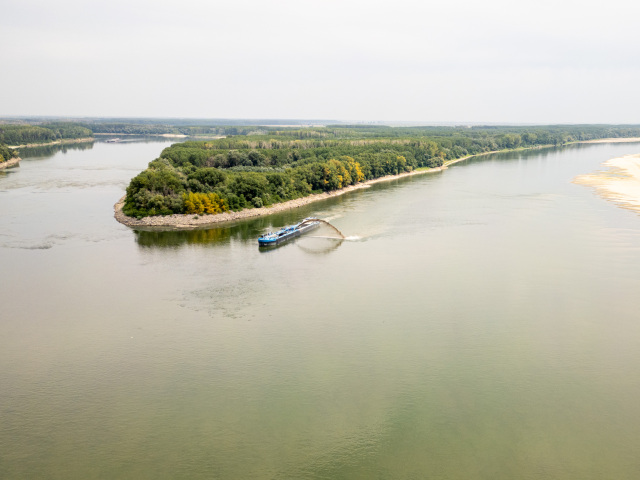
The Romanian army has taken action to address critically low water levels in the Danube River, which are threatening the operation of the Cernavoda nuclear power plant. On Monday, the military detonated a rock formation known as Parjoaia in one of the river's branches. This intervention aims to increase the water flow towards the nuclear facility. The Danube has reached historic lows, prompting this emergency measure. The agency DPA reported on the incident, with TASR relaying the information.
The critical low water levels of the Danube River highlight the increasing vulnerability of vital infrastructure, such as nuclear power plants, to climate-induced hydrological changes. The army's intervention, while addressing an immediate operational threat, underscores the need for long-term strategic planning. Future energy security may depend on adapting to such environmental shifts, potentially through improved water management systems, diversification of cooling sources, or even relocating critical assets. This event serves as a stark reminder of the interconnectedness between environmental stability, energy production, and national security in an era of accelerating climate change.
AI-generated to prompt reflection — not editorial opinion, not advice, not a statement of fact. How this works.
