Danube River Falls to Critical Levels, Stranding Large Ships
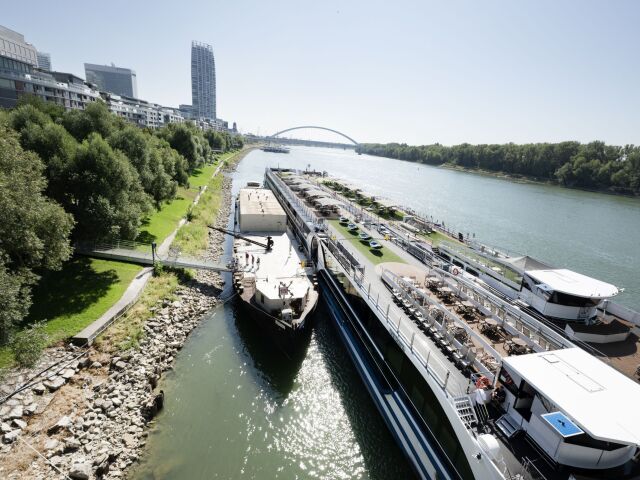
Several sections of the Danube River in Slovakia are currently experiencing critically low water levels, preventing large ships with significant drafts from navigating the waterway. Consequently, these vessels are stranded in ports or at anchorages, awaiting improved conditions. The adverse water status poses a significant challenge to riverine transport in the region. The Gabčíkovo hydroelectric plant is reportedly conserving water, managing every centimeter to mitigate the impact of the drought. This situation highlights the vulnerability of major European waterways to climate-induced water scarcity.
The low water levels on the Danube River underscore the increasing vulnerability of critical European infrastructure to climate change impacts. This event disrupts vital trade routes, impacting logistics and potentially increasing costs for businesses reliant on river transport. The need for adaptive management strategies for major waterways, including investments in infrastructure that can withstand fluctuating water levels and improved water resource management across connected regions, becomes increasingly apparent. Future planning must consider scenarios of prolonged drought and their systemic effects on the economy and environment.
AI-generated to prompt reflection — not editorial opinion, not advice, not a statement of fact. How this works.