Danube River Hits 150-Year Low in July, Scientists Cite Record Dryness
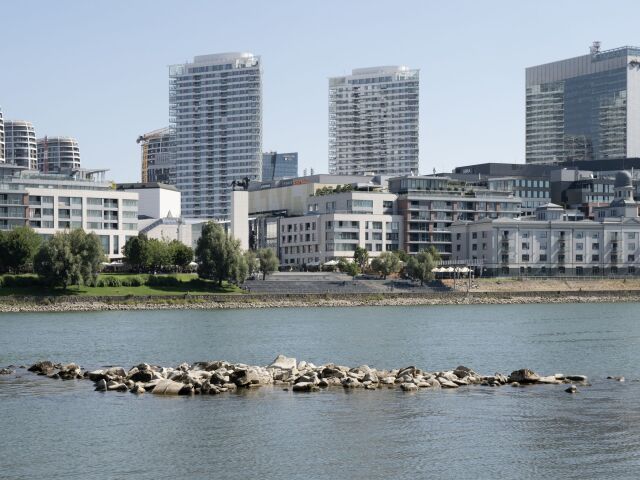
The Danube River reached a historically low flow rate on Monday, July 27th, marking its lowest point in 150 years for the month of July. Preliminary data from the Slovak Hydrometeorological Institute (SHMÚ) indicated a flow of approximately 725 cubic meters per second. Further data from the Austrian station Thebnerstraßl recorded the flow at 678 cubic meters per second. Scientists have identified record-breaking dry conditions as the primary cause for this unprecedented low water level. This significant reduction in flow has implications for navigation, ecosystems, and water resource management along the entire Danube basin. The extreme dryness experienced this year has severely impacted water levels across Europe, with the Danube being one of the most prominent examples. The long-term consequences of such extreme hydrological events are a growing concern for environmental agencies and riparian states.
The record low water levels in the Danube River highlight the increasing vulnerability of major European waterways to climate change-induced drought. This event underscores the need for adaptive water management strategies that can account for more frequent and severe extreme weather events. The interconnectedness of river systems means that such low flows can have cascading effects on transportation, energy production, and biodiversity across multiple countries. Future planning must consider the potential for such hydrological extremes to become the norm, necessitating investments in infrastructure resilience and international cooperation on water resource allocation.
AI-generated to prompt reflection — not editorial opinion, not advice, not a statement of fact. How this works.