Danube River Hits 30-Year Low, Impacting Agriculture and Shipping
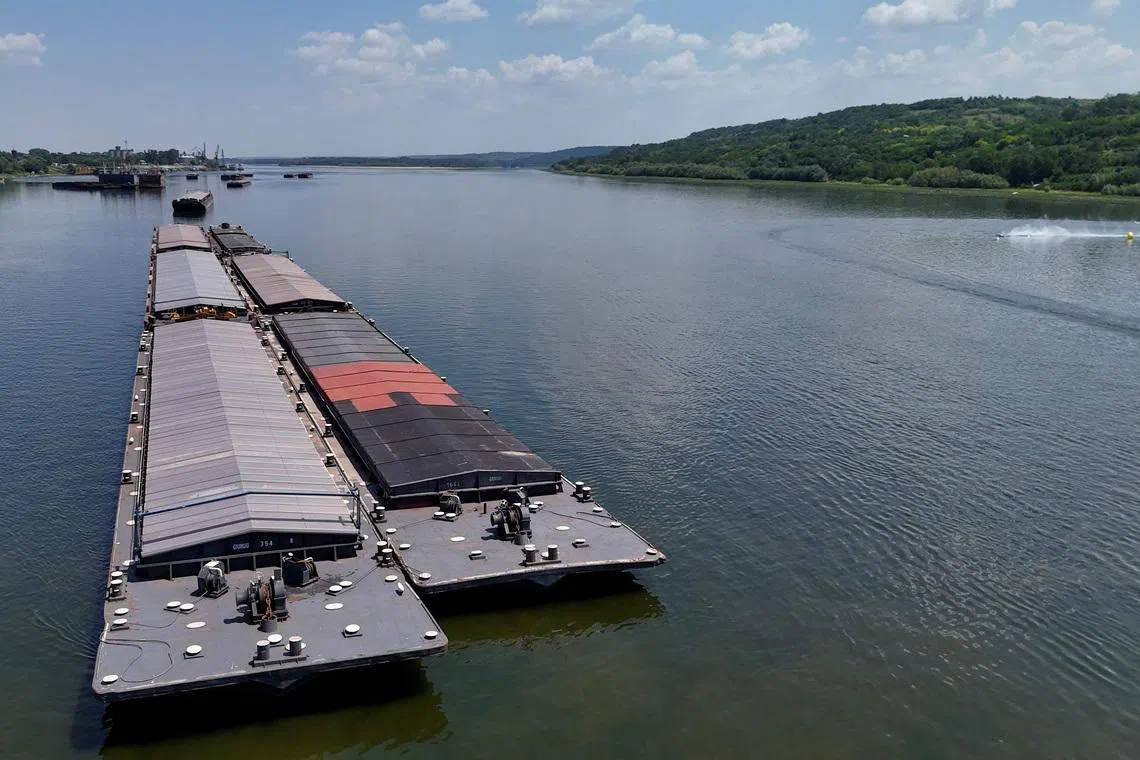
Water levels on the Danube River in Romania have dropped to their lowest point since 1996 over the past weekend. This significant decrease has led to the implementation of irrigation restrictions for farmers in the region. Additionally, the low water levels are causing partial disruptions to shipping activities and impacting the tourism sector along the riverbanks. The situation highlights the growing challenges faced by vital European waterways due to environmental factors.
The critically low water levels on the Danube River, exacerbated by prolonged dry periods and potentially climate change, present a stark illustration of the vulnerability of major European transportation and agricultural arteries. This event underscores the systemic risks associated with over-reliance on climate-sensitive infrastructure. Future planning must consider adaptive strategies, such as enhanced water management protocols and diversified transport options, to mitigate the economic and social consequences of such environmental shifts. The long-term sustainability of regions dependent on navigable rivers like the Danube will increasingly hinge on proactive environmental stewardship and infrastructure resilience.
AI-generated to prompt reflection — not editorial opinion, not advice, not a statement of fact. How this works.