Danube River Reaches Lowest Level in 30 Years in Romania
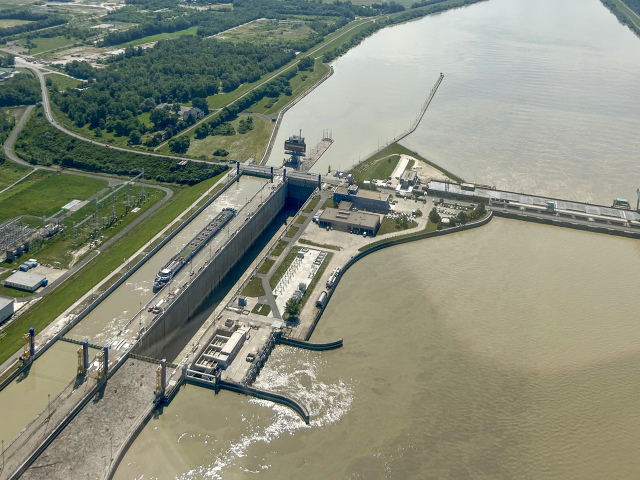
The water level of the Danube River in Romania has fallen to its lowest point since 1996 over the weekend. The flow rate is currently only about one-third of its normal level. This significant drop in water levels is a cause for concern, impacting navigation, ecosystems, and potentially water supply for communities along the river. The situation highlights the increasing vulnerability of major European waterways to changing environmental conditions. Further monitoring and potential mitigation strategies will be crucial as the dry spell continues.
The record low water levels in the Danube River underscore the growing impact of climate change on critical European infrastructure and ecosystems. Reduced flow rates can disrupt vital shipping routes, affecting trade and supply chains, and pose challenges for energy production reliant on river water. This event prompts consideration of long-term adaptation strategies, including improved water management policies and investments in resilient infrastructure. The situation serves as a stark reminder of the interconnectedness of environmental health, economic stability, and societal well-being in the face of evolving climatic patterns.
AI-generated to prompt reflection — not editorial opinion, not advice, not a statement of fact. How this works.