Danube River Reduced to a Trickle in Some Areas
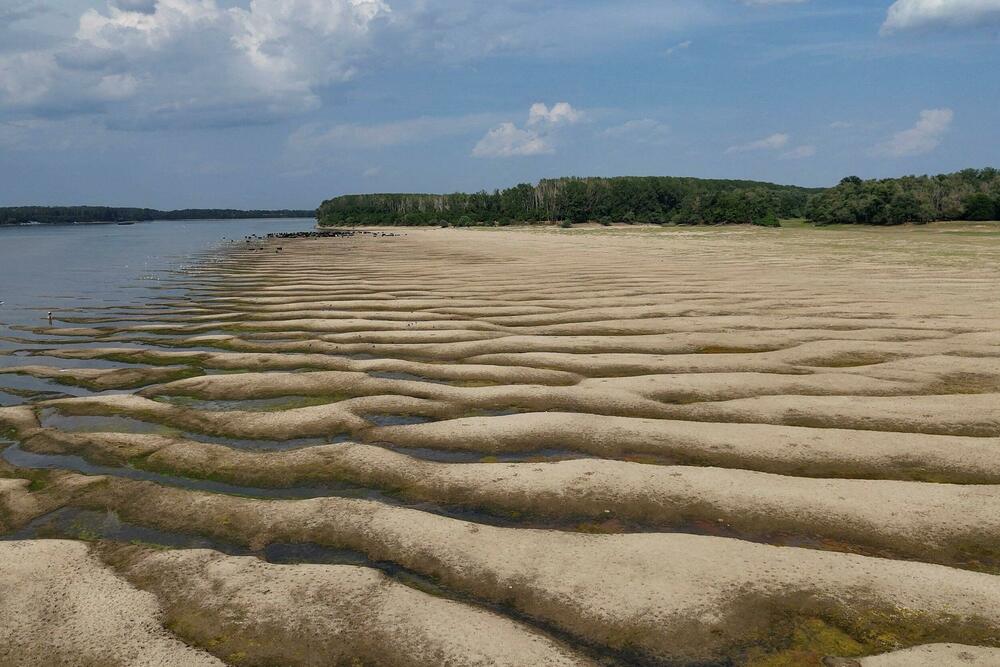
The Danube River, Europe's second-longest river after the Volga, is currently experiencing significantly reduced water levels, appearing as a mere stream in some locations. The river originates in Germany near the city of Donaueschingen, formed by the confluence of two smaller rivers, the Breg and the Brigach. It flows into the Black Sea. These low water levels are impacting the river's typical flow, which is a major waterway for transportation and ecosystems across the continent. The reduction in volume raises concerns about the ecological health of the river and its tributaries, as well as the economic implications for industries reliant on navigable waterways. Further information regarding the specific causes and extent of the low water levels was not provided in the source material. The visual impact of the diminished river is highlighted through photographs, showcasing the stark contrast to its usual robust state.
The current low water levels of the Danube River, a critical European artery, highlight the vulnerability of major waterways to environmental shifts. This situation underscores the interconnectedness of climate patterns, water resource management, and economic stability. As Europe faces increasing climate variability, the resilience of its infrastructure, including major rivers like the Danube, will be paramount. Future planning must consider adaptive strategies to mitigate the impacts of drought and ensure the continued navigability and ecological health of these vital lifelines, potentially through enhanced water retention infrastructure or diversified transportation networks.
AI-generated to prompt reflection — not editorial opinion, not advice, not a statement of fact. How this works.