Danube Water Levels So Low, Cruise Ship Passengers Bused to Budapest
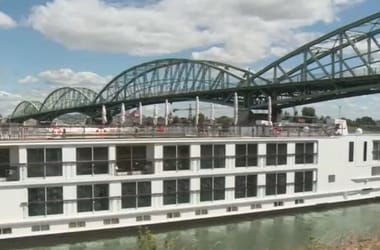
Due to extremely low water levels on the Danube River, passengers on cruise ships are being transported to Budapest by bus. While some precipitation is expected in the coming days, significant improvement in the water levels is not anticipated. This situation highlights the ongoing challenges faced by river navigation during periods of drought. The low water levels are impacting the tourism sector, specifically the river cruise industry, which relies on sufficient water depth for vessels to operate. Passengers are experiencing disruptions to their travel plans as a result of these conditions. The reliance on bus transportation indicates the severity of the situation and the inability of ships to navigate the affected sections of the river. The lack of expected substantial rainfall further suggests that this issue may persist for some time. This event underscores the vulnerability of vital transportation routes to environmental factors.
The persistent low water levels on the Danube River, exacerbated by insufficient rainfall, present a significant challenge for riverine transportation and tourism. This situation highlights the increasing impact of climate variability on critical infrastructure and economic activities. The reliance on alternative transport, such as buses, for cruise ship passengers demonstrates the system's fragility and the need for adaptive strategies. Future planning must consider the potential for more frequent and severe droughts, necessitating investments in infrastructure resilience, improved water management policies, and potentially diversified transportation models to mitigate such disruptions and ensure the continuity of economic operations.
AI-generated to prompt reflection — not editorial opinion, not advice, not a statement of fact. How this works.