Danxomè Royal Thrones: More Than Just Seats of Power, They Held Spiritual Significance
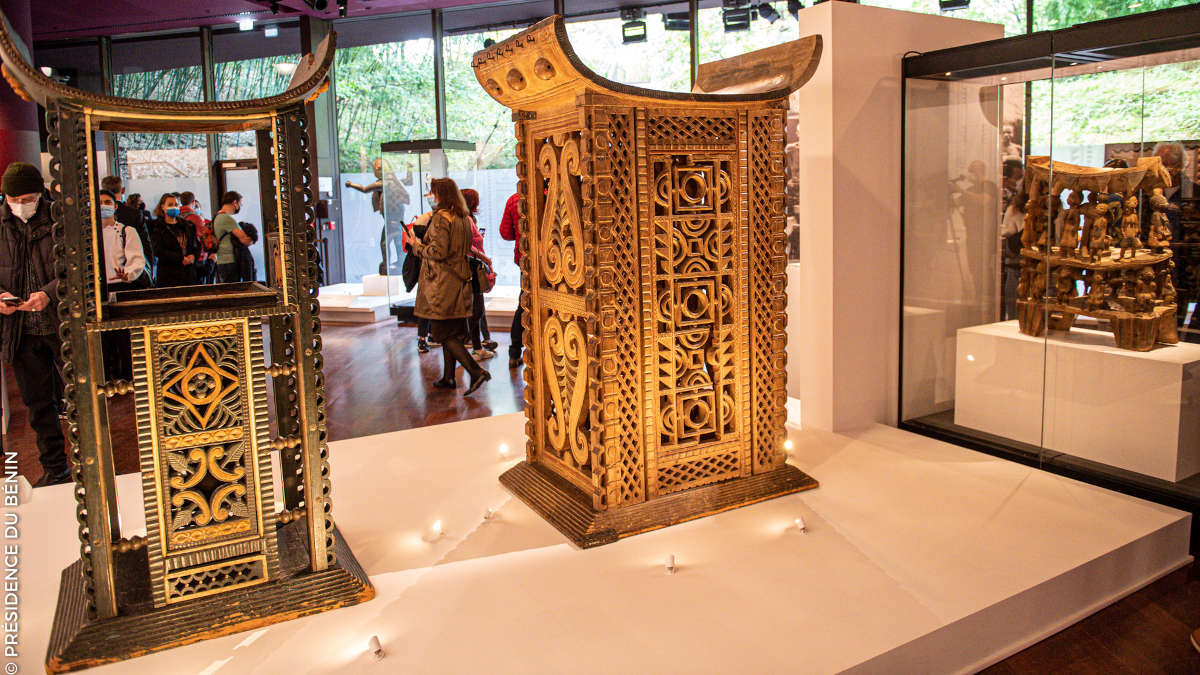
The royal thrones of the ancient Kingdom of Danxomè were far more than mere symbols of authority. These unique, single-trunk carved seats served as mystical vessels and potent emblems of regained sovereignty. They played a crucial role in the political and spiritual life of a dynasty that resisted colonial powers. The thrones are described as total works of art, embodying the kingdom's rich history. Their significance extends beyond the physical, connecting the living with spiritual realms. These artifacts offer a profound glimpse into the cultural and political landscape of pre-colonial Benin.
The historical significance of the Danxomè thrones highlights the complex interplay between material culture, political power, and spiritual belief systems in pre-colonial African kingdoms. These artifacts demonstrate how objects can serve multifaceted roles, embodying not only secular authority but also acting as conduits for spiritual influence and historical memory. Examining such objects through the lens of the next decade's inevitable focus on cultural heritage and decolonization reveals the enduring power of indigenous narratives. Understanding these thrones requires appreciating their context within a worldview where the physical and spiritual are deeply intertwined, challenging Western notions of purely secular governance and art.
AI-generated to prompt reflection — not editorial opinion, not advice, not a statement of fact. How this works.