DARPA Explores 30-Year Nuclear Waste Batteries for Future Drones
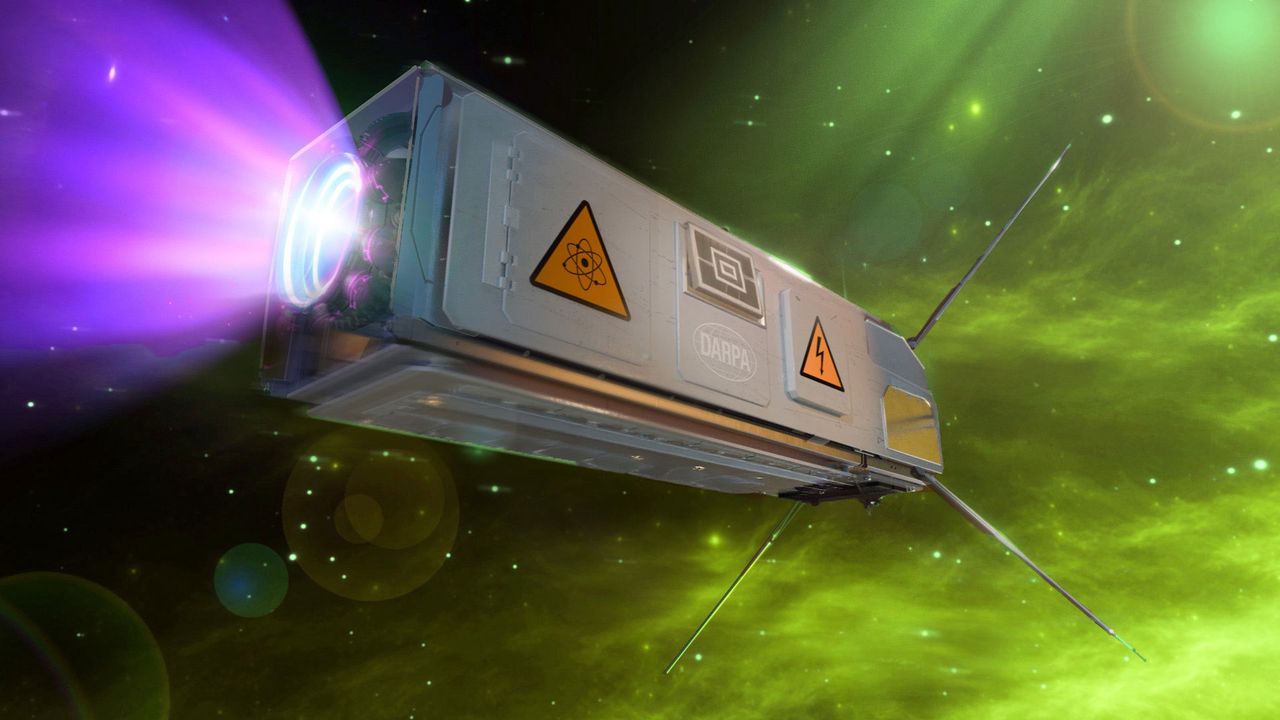
The Defense Advanced Research Projects Agency (DARPA) is reportedly developing long-lasting batteries powered by nuclear waste, capable of operating for up to 30 years. These radiovoltaic batteries are intended to power next-generation military drones, enabling persistent operation. The project, codenamed SYMPHONEE, aims to utilize Strontium-90, a byproduct of nuclear fission, as the energy source. This technology could significantly extend the operational endurance of unmanned aerial vehicles, reducing the need for frequent refueling or battery replacements. The development represents a novel approach to energy generation for military applications, leveraging existing nuclear waste materials. If successful, these batteries could revolutionize drone capabilities by providing a highly reliable and long-term power solution.
DARPA's exploration of 30-year nuclear waste batteries for drones highlights a strategic push towards extended operational autonomy in military technology. This initiative taps into the persistent energy potential of radioisotopes, aiming to overcome the current limitations of battery life and refueling logistics. The project's focus on Strontium-90 suggests a pragmatic approach to waste management, potentially transforming a hazardous byproduct into a valuable energy asset. However, the long-term safety, security, and environmental implications of deploying such power sources on a wide scale warrant careful consideration. The development also raises questions about the future of energy independence for autonomous systems and the potential for dual-use applications, necessitating robust governance frameworks to manage these advanced capabilities responsibly over the next decade.
AI-generated to prompt reflection — not editorial opinion, not advice, not a statement of fact. How this works.