Dasharo v0.9.0: First Open-Source Firmware for AMD AM5 Platform Released
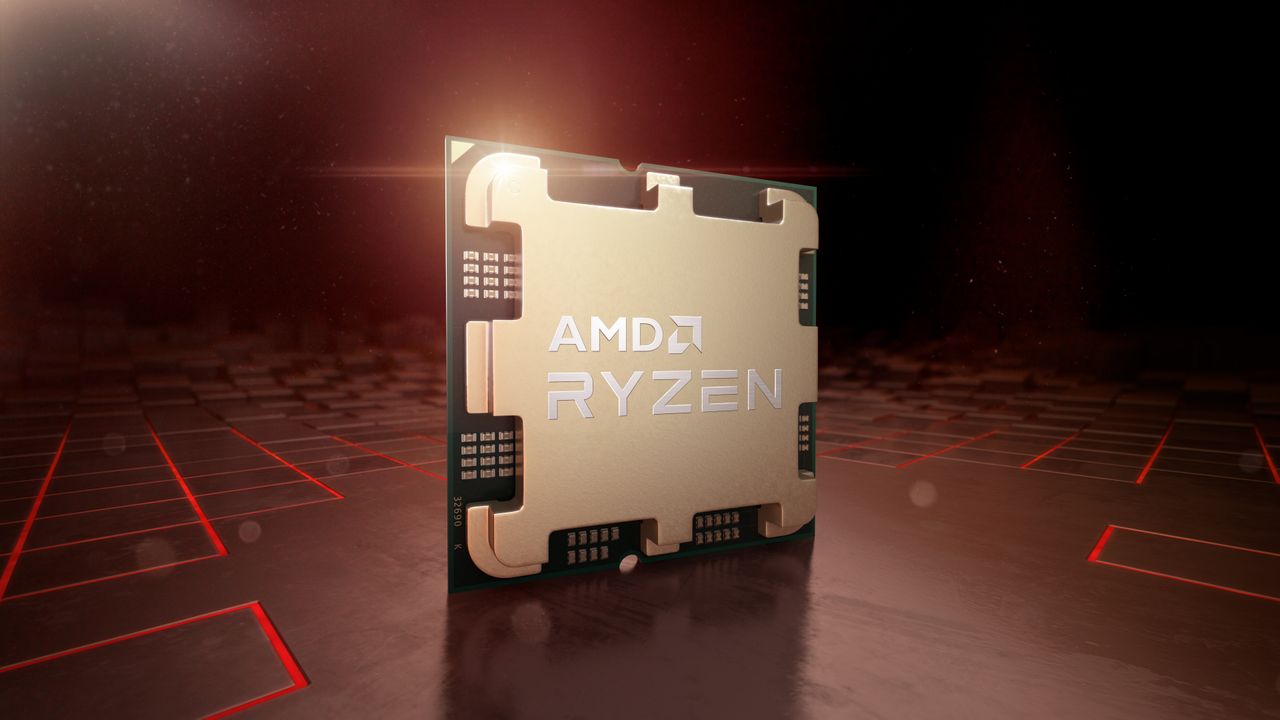
3mdeb has launched Dasharo v0.9.0, the first open-source firmware for the AMD AM5 platform. This release specifically supports the MSI B850-P WiFi motherboard, bringing Coreboot and openSIL to Zen 4 APUs. This development signifies a significant step towards greater openness and user control within the hardware ecosystem. Previously, the AM5 platform relied exclusively on proprietary firmware, limiting customization and transparency for users and developers. The introduction of Dasharo v0.9.0 aims to change this by providing a community-driven alternative. Coreboot is a popular open-source BIOS replacement, while openSIL (Open System Firmware Initialization) is designed to provide a standardized, open-source firmware initialization layer. Together, these components offer a more flexible and auditable firmware stack for AMD's latest generation of processors. The availability of open-source firmware on mainstream platforms like AM5 is crucial for enhancing security, enabling advanced features, and fostering innovation in the computing industry.
The release of open-source firmware for the AM5 platform represents a pivotal moment in the ongoing shift towards greater hardware transparency and user control. By decoupling firmware from proprietary vendor control, initiatives like Dasharo empower users and developers with enhanced security auditing capabilities and the potential for deeper system customization. This move could foster a more competitive landscape for motherboard firmware, encouraging innovation and potentially reducing reliance on single-source solutions. Looking ahead, the widespread adoption of open-source firmware on mainstream platforms like AM5 will be critical for building more resilient and adaptable computing infrastructure in an era increasingly defined by complex software-hardware interactions and evolving cybersecurity threats.
AI-generated to prompt reflection — not editorial opinion, not advice, not a statement of fact. How this works.