Data Protection Experts Greenlight Cameras in Cars
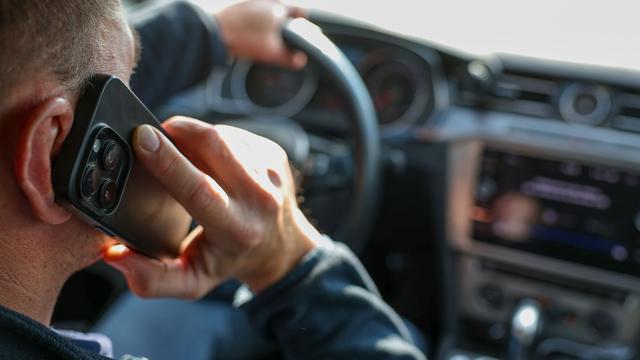
Data protection authorities have issued a positive assessment regarding the use of cameras inside vehicles. This decision provides clarity for both manufacturers and consumers on the implementation and legality of this technology. The cameras are intended to enhance safety features and potentially monitor driver behavior for insurance purposes. However, concerns about privacy have been a significant point of discussion. The authorities have emphasized that strict guidelines must be followed to ensure personal data is protected. These guidelines likely include requirements for data anonymization, secure storage, and clear consent mechanisms for drivers. The move signals a potential shift towards greater integration of surveillance technology in personal vehicles, balancing safety benefits with privacy rights. Further details on the specific regulations and their enforcement are expected to be released.
The integration of cameras within vehicles represents a complex interplay between technological advancement, consumer safety, and data privacy. While data protection authorities have provided a degree of approval, the underlying tension between increased surveillance and individual privacy remains. Future developments will likely focus on robust anonymization techniques and transparent data usage policies to build consumer trust. The long-term implications may involve new insurance models based on driving behavior and evolving legal frameworks to govern in-car data. This trend also aligns with broader societal shifts towards data-driven decision-making, necessitating careful ethical considerations and regulatory oversight to prevent potential misuse of personal information.
AI-generated to prompt reflection — not editorial opinion, not advice, not a statement of fact. How this works.