Datafolha Poll: 44% of Brazilian Voters Identify as Right-Wing, 39% as Left-Wing
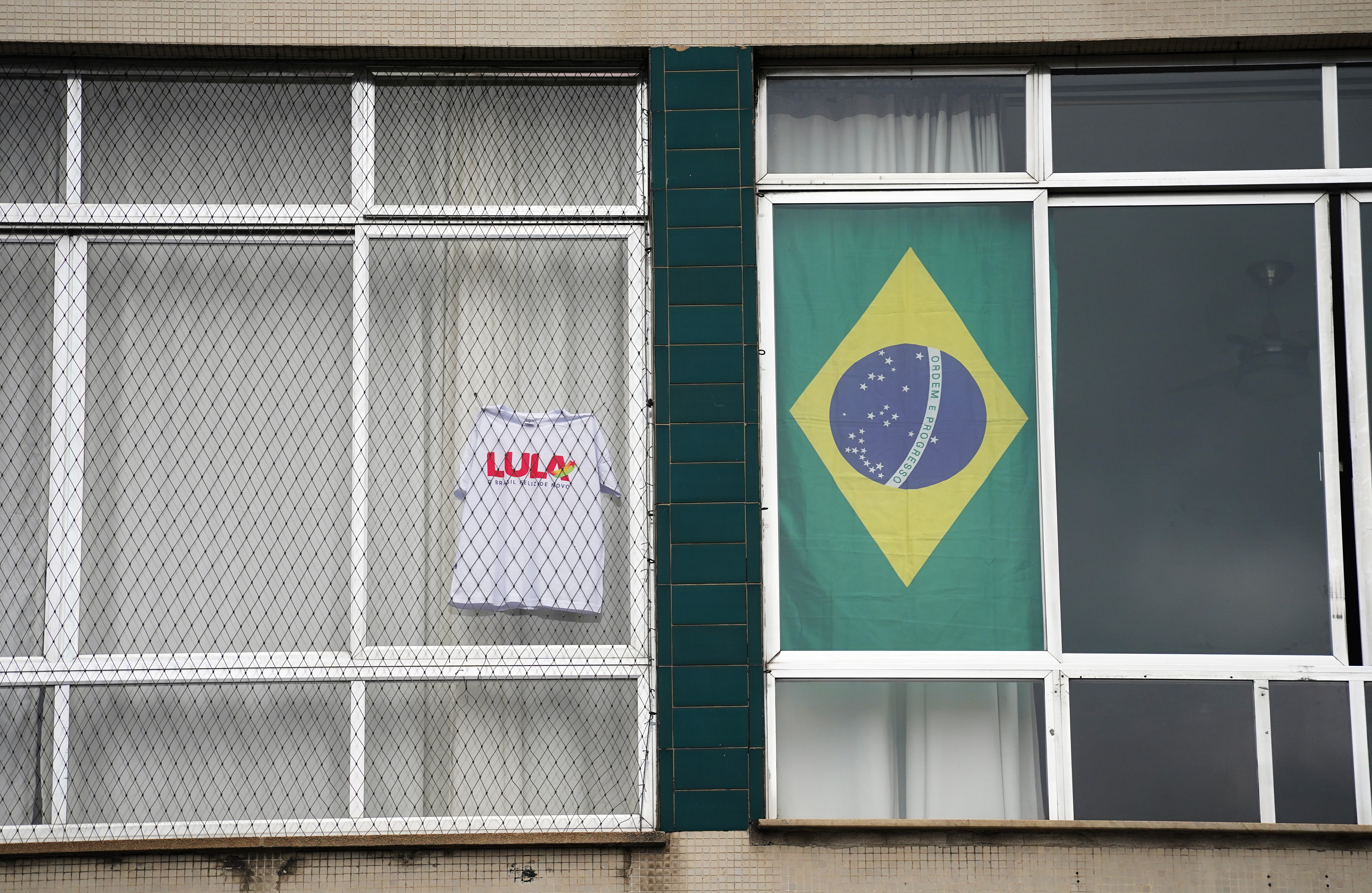
A recent Datafolha poll, released on Friday, June 3rd, indicates that 44% of Brazilian voters identify with the right-wing, while 39% identify with the left-wing. The survey's margin of error is two percentage points. This classification is derived from a combination of responses to ideological indicators, including "right," "center-right," "center," "center-left," and "left." Specifically, the "right" and "center-right" categories were summed, as were the "center-left" and "left" categories. The detailed breakdown shows: Right: 15%; Center-right: 29%; Center: 17%; Center-left: 26%; Left: 13%. With a five-point lead, which exceeds the margin of error, the right-wing identification is ahead of the left-wing in Brazil. The poll surveyed 2,004 individuals aged 16 and older across 139 Brazilian municipalities on June 17th and 18th. The survey has a 95% confidence level and is registered with the Superior Electoral Court (TSE) under number BR-09956/2026. Datafolha clarifies that this classification is not based on a single direct question about self-identification. Instead, it stems from respondents' positions on economic and behavioral scales, assessed through a series of questions on social, political, cultural, and economic values. The institute notes this result signifies a shift, with the right-wing regaining a lead in voter identification compared to the left-wing. In 2022, the figures were 49% left-wing and 34% right-wing. Datafolha reports this is the first time since 2014 that the right-wing has outnumbered the left-wing in identification. During that period, under President Dilma Rousseff, the right had 45% and the left had 35%.
This Datafolha poll reveals a notable shift in Brazilian voter self-identification towards the right, marking the first instance since 2014 where right-wing alignment surpasses left-wing alignment. The methodology, which aggregates responses across a spectrum of ideological indicators rather than relying on a single self-assessment question, provides a nuanced view of political leanings. This trend suggests evolving societal values or a response to prevailing political and economic conditions. Understanding the underlying drivers of this ideological shift, whether through policy perceptions, economic anxieties, or cultural narratives, will be crucial for political actors and policymakers navigating the upcoming electoral landscape. The data prompts consideration of how these identified ideological preferences translate into policy support and voting behavior over the next decade, particularly in the context of Brazil's dynamic political economy and its engagement with global trends.
AI-generated to prompt reflection — not editorial opinion, not advice, not a statement of fact. How this works.