Dating Apps Reshape Relationships and the Economy of Desire
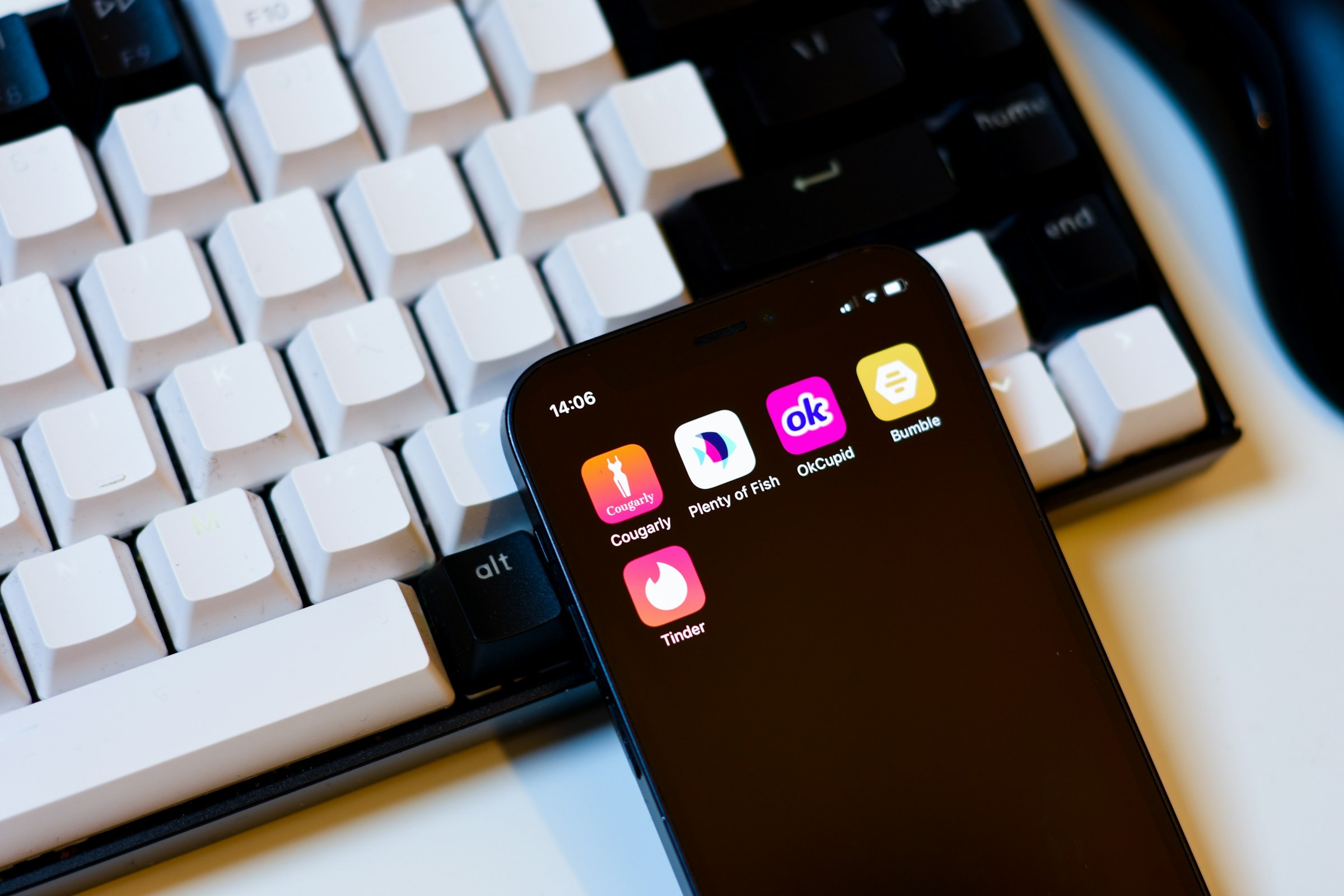
Dating applications like Tinder, Bumble, and Happn have fundamentally altered the landscape of romantic connections, transforming the courtship process into a gamified interface akin to scrolling through social media or online shopping. While these platforms offer expanded possibilities for meeting potential partners, research in social psychology suggests that an abundance of choices does not necessarily equate to greater satisfaction, stable relationships, or universally positive outcomes for users. These apps have effectively turned ancient human dynamics of attraction and connection into a search engine, operating under the rules of digital platforms. Historically, finding a partner was constrained by limited social circles, making each encounter more significant due to scarcity. In contrast, the digital age presents a near-infinite pool of options, potentially leading to a devaluation of individual connections as users are perpetually exposed to the imagined possibility of someone 'better' just a swipe away. This shift means commitment now competes not only with individuals in one's immediate environment but also with the statistical fantasy of all available people online. Contrary to the initial perception that dating apps are solely for casual sex, studies reveal a more complex reality. While casual encounters remain a significant motivation, with users reporting more partners and higher rates of casual hookups, these platforms also serve as a means for seeking romantic relationships. Research indicates that online dating has become the primary method for heterosexual couples to meet in the United States, displacing traditional intermediaries like friends, family, and workplaces. However, the increased exposure to dating apps has been linked to accelerated sexual activity without a proportional increase in stable relationships or consistent improvements in bond quality, suggesting they may expedite the search for connection more than the commitment to it. Furthermore, dating apps appear to reorganize the distribution of attention, leading to unequal outcomes. Factors like attractiveness, status, communication skills, or timing can create significant disparities in results, mirroring dynamics in other tech-amplified markets where attention is not democratically distributed. While some studies link app usage to negative mental health outcomes such as lower self-esteem and increased anxiety, others show mixed or even positive effects, particularly concerning validation and a sense of desirability. Ultimately, dating apps do not create fundamental human desires for love, sex, or validation; they merely provide a digital infrastructure designed for scale and cost reduction, transforming dating into a continuous search market with amplified comparison and more unequal results.
The proliferation of dating applications signifies a profound shift in how individuals navigate social and romantic markets. By digitizing and scaling the process of partner selection, these platforms introduce market dynamics, such as abundance and competition, into human relationships. This can lead to systemic inefficiencies, where the perceived infinite availability of options may paradoxically decrease user satisfaction and commitment, a phenomenon observed in other digital marketplaces. The unequal distribution of attention and outcomes, driven by algorithmic amplification of certain traits, raises questions about fairness and social equity within these digital mating grounds. As these platforms continue to mediate a significant portion of interpersonal connections, their design inherently influences societal norms around relationships, commitment, and individual self-worth, warranting ongoing scrutiny of their long-term impact on social cohesion and individual well-being in the digital era.
AI-generated to prompt reflection — not editorial opinion, not advice, not a statement of fact. How this works.