Daughter's Wish Highlights US-Japan Disparities in Rare Cancer Treatment
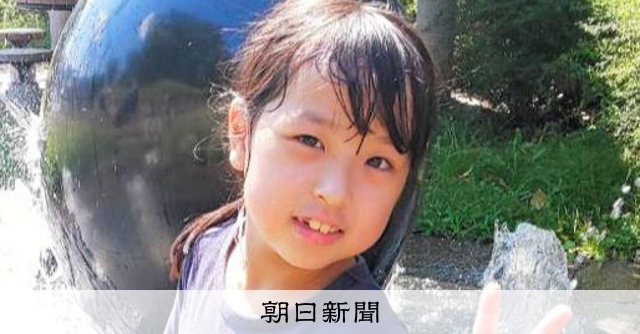
A Japanese girl, who battled a rare form of cancer, expressed a poignant wish before her passing: "I want to meet my future self." This sentiment underscores the significant differences in rare cancer treatment between Japan and the United States. Her family's experience revealed the challenges faced by patients in Japan, where access to cutting-edge therapies and comprehensive care for rare diseases can be limited. The stark contrast with the US system, which often offers more advanced treatment options and robust support networks for rare cancer patients, has come to light through this personal tragedy. The disparity raises critical questions about healthcare equity and the availability of life-saving medical interventions for children with rare conditions in Japan. The family's journey highlights the urgent need for improved rare cancer care infrastructure and policy in Japan. Ultimately, the daughter's wish serves as a powerful, albeit heartbreaking, call for greater parity in medical advancements and patient support across international borders.
The daughter's wish, while deeply personal, serves as a stark indicator of systemic differences in healthcare access and innovation between Japan and the US, particularly for rare diseases. This situation prompts an examination of how medical research, drug approval processes, and healthcare funding models influence patient outcomes. The disparity suggests that market dynamics and regulatory environments play a crucial role in the availability of advanced treatments. Looking ahead, the increasing focus on personalized medicine and rare disease therapies necessitates a global conversation on equitable access, potentially requiring international collaboration to bridge gaps in treatment availability and speed of innovation. This event highlights the tension between national healthcare systems and the universal pursuit of life-saving medical progress.
AI-generated to prompt reflection — not editorial opinion, not advice, not a statement of fact. How this works.