David Fabricius Discovers Variable Star Mira on August 3, 1596
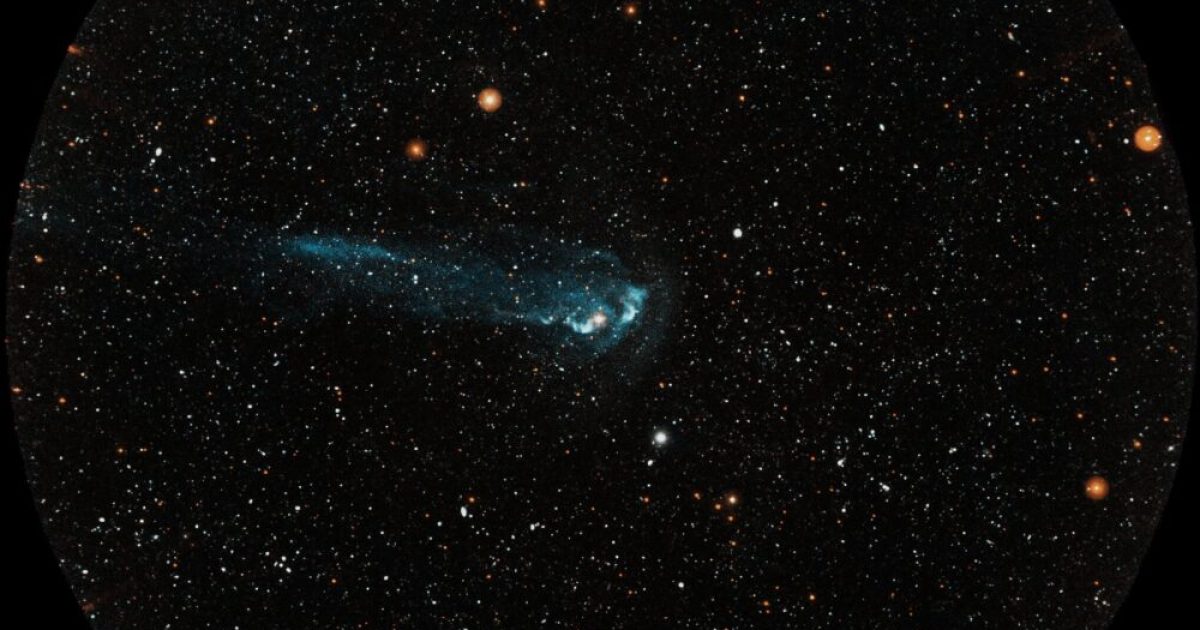
On August 3, 1596, David Fabricius, a German-born Lutheran pastor and scientist, observed a celestial event that would become his most significant contribution to astronomy. Fabricius, who was born in 1564 and also worked as a cartographer, maintained a lifelong passion for science. He engaged in correspondence with prominent astronomers of his time, including Tycho Brahe and Johannes Kepler. His discovery on this date involved an unusually bright star that appeared in the constellation Cetus. This star, later named Mira, was the first recorded variable star, meaning its brightness fluctuates over time. Fabricius's meticulous observations laid the groundwork for future studies of stellar variability and expanded the known celestial landscape.
The discovery of Mira by David Fabricius in 1596 highlights the incremental nature of scientific progress, often driven by dedicated individuals outside formal academic structures. Fabricius's dual role as a pastor and scientist demonstrates the historical compatibility of religious vocations with scientific inquiry. His observations, made with the instruments available in the late 16th century, underscore the importance of careful, long-term data collection. This event foreshadows later advancements in understanding stellar evolution and the diversity of celestial objects, prompting consideration of how contemporary astronomical tools and citizen science initiatives continue to expand our cosmic perspective.
AI-generated to prompt reflection — not editorial opinion, not advice, not a statement of fact. How this works.
