David Hume: The Philosopher Who Argued Reason Serves Emotions
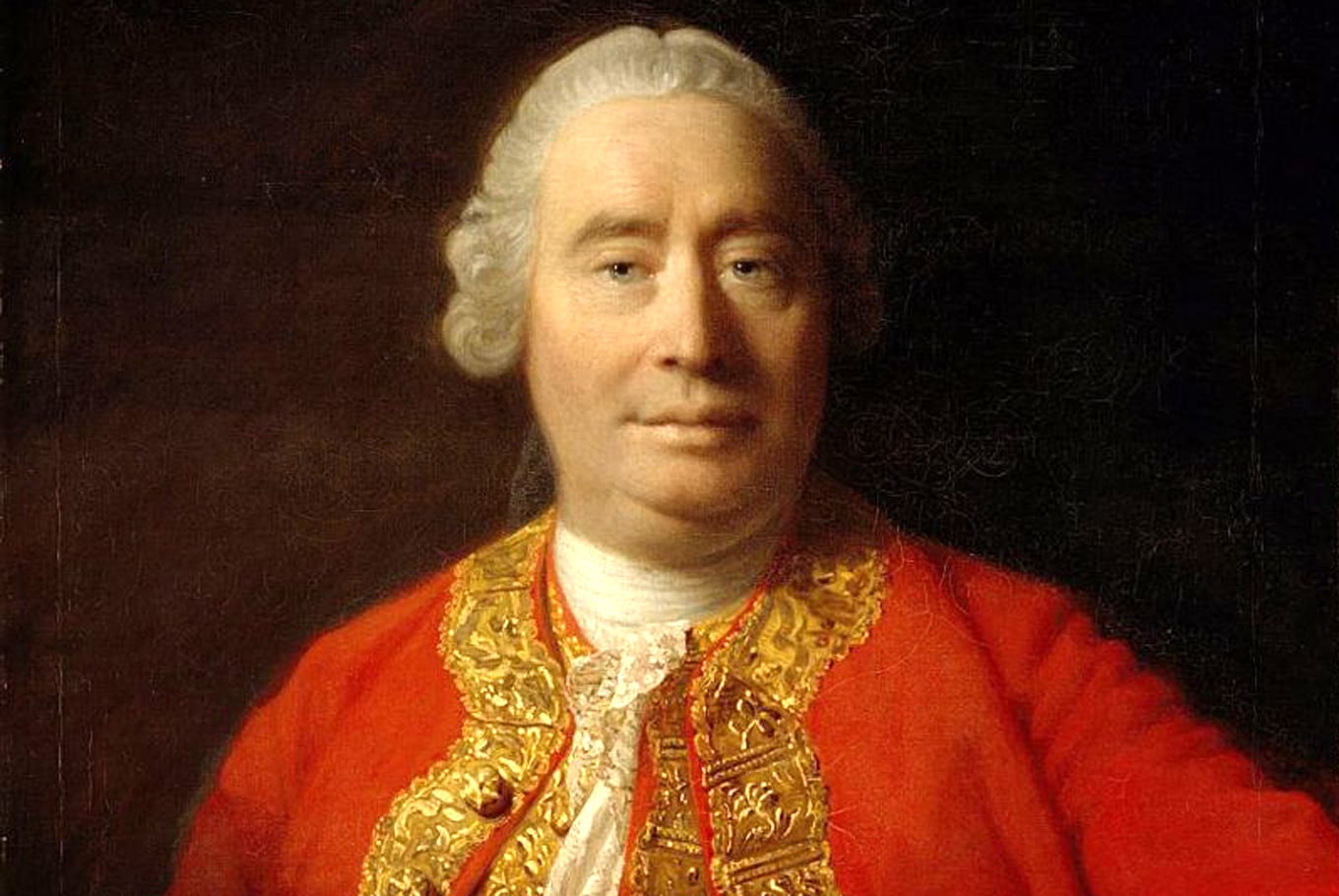
Scottish philosopher David Hume significantly altered the understanding of human emotions and decision-making. He challenged a core tenet of Aristotelian thought, proposing that reason is not the primary driver of human actions. Hume famously argued that 'reason ought to be the slave of the passions.' This perspective suggests that emotions, or passions, are the fundamental motivators behind our choices and behaviors. His work implies that while reason can help us achieve our goals, it is the underlying desires and feelings that dictate what those goals should be. Hume's philosophical contributions continue to influence discussions in ethics, psychology, and cognitive science, emphasizing the complex interplay between our rational and emotional faculties.
David Hume's assertion that 'reason ought to be the slave of the passions' offers a foundational critique of purely rationalist models of human behavior. From a contemporary perspective, this aligns with modern neuroscience and behavioral economics, which highlight the significant role of emotions and heuristics in decision-making. The challenge for individuals and societies lies in developing frameworks that acknowledge this emotional primacy without succumbing to unchecked impulses. Future governance and ethical systems may need to integrate emotional intelligence and well-being metrics more formally, recognizing that effective decision-making requires a nuanced understanding of both rational calculation and affective states. This perspective prompts reflection on how educational and societal structures can foster a healthier balance, enabling reason to guide passions constructively rather than being solely dictated by them.
AI-generated to prompt reflection — not editorial opinion, not advice, not a statement of fact. How this works.