David Smith on Trump's 'Strange Show': Rhetoric, Ambition, and a Tour of His Back Alleys
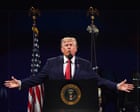
Columnist David Smith reflects on Donald Trump's recent public appearance, likening it to a "strange show on earth" characterized by "lightning, imperial hubris and a boring tour of Trump’s rhetorical back alleys." Smith contrasts the potential for a significant, 21st-century Gettysburg-style address with the reality of Trump's discourse, which he suggests often devolves into complaints about legal troubles and self-aggrandizement, including boasts about Iran. He references astronomer Carl Sagan's perspective on the insignificance of human endeavors in the vast cosmos, quoting Sagan's reflection on the bloodshed for momentary power over tiny fractions of the Earth. Smith notes that Trump, on Saturday night, appeared to see himself as a universal master rather than a temporary leader of the United States. Trump's aide, Stephen Miller, reportedly posted on social media that "divine providence" had made Trump president specifically for America's 250th anniversary of independence, suggesting a belief in a preordained destiny.
This commentary frames Donald Trump's public persona and rhetoric through a lens of grandiosity and historical comparison, contrasting cosmic insignificance with perceived imperial ambition. The piece highlights the tension between the potential for impactful political oratory and the actual content of Trump's speeches, often characterized by personal grievances and self-praise. The reference to divine providence and historical anniversaries suggests a narrative of exceptionalism and destiny, which can be a powerful rhetorical tool for mobilizing supporters. However, such framing can also obscure pragmatic governance and policy considerations, focusing instead on symbolic claims of leadership and historical importance. The analysis prompts consideration of how appeals to destiny and grandiosity shape political discourse and potentially influence public perception of leadership effectiveness.
AI-generated to prompt reflection — not editorial opinion, not advice, not a statement of fact. How this works.