DAX Hits Record High Amid Falling Oil Prices
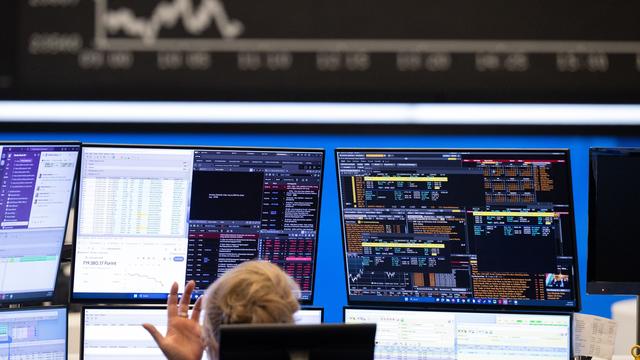
The German stock market index, DAX, has reached a new record high, driven by a significant drop in oil prices. This surge reflects a broader positive sentiment in the financial markets, as lower energy costs can stimulate economic activity by reducing operational expenses for businesses and increasing disposable income for consumers. The decline in oil prices is often linked to factors such as increased global supply, reduced demand forecasts, or geopolitical shifts. The DAX's performance indicates strong investor confidence in the German economy and its corporate sector. This development is particularly noteworthy as it occurs against a backdrop of fluctuating global economic conditions. Investors are closely watching how these lower energy costs will translate into corporate earnings and overall economic growth in the coming quarters. The record-setting performance of the DAX suggests that market participants are optimistic about the future economic outlook.
The DAX's record performance, coinciding with falling oil prices, highlights the complex interplay between commodity markets and equity valuations. Lower oil prices can act as an indirect stimulus, potentially boosting corporate profitability and consumer spending power. However, sustained low oil prices can also signal underlying demand weakness or oversupply issues within the global economy, which may present longer-term risks. Investors' current optimism reflects a short-term benefit perception, but a comprehensive assessment requires monitoring broader economic indicators and geopolitical stability. The market's reaction underscores the sensitivity of equity indices to energy costs and the ongoing challenge of balancing immediate gains against future economic resilience in an evolving global landscape.
AI-generated to prompt reflection — not editorial opinion, not advice, not a statement of fact. How this works.