DAX Index Faces Pressure Amid Geopolitical Tensions and Rising Oil Prices
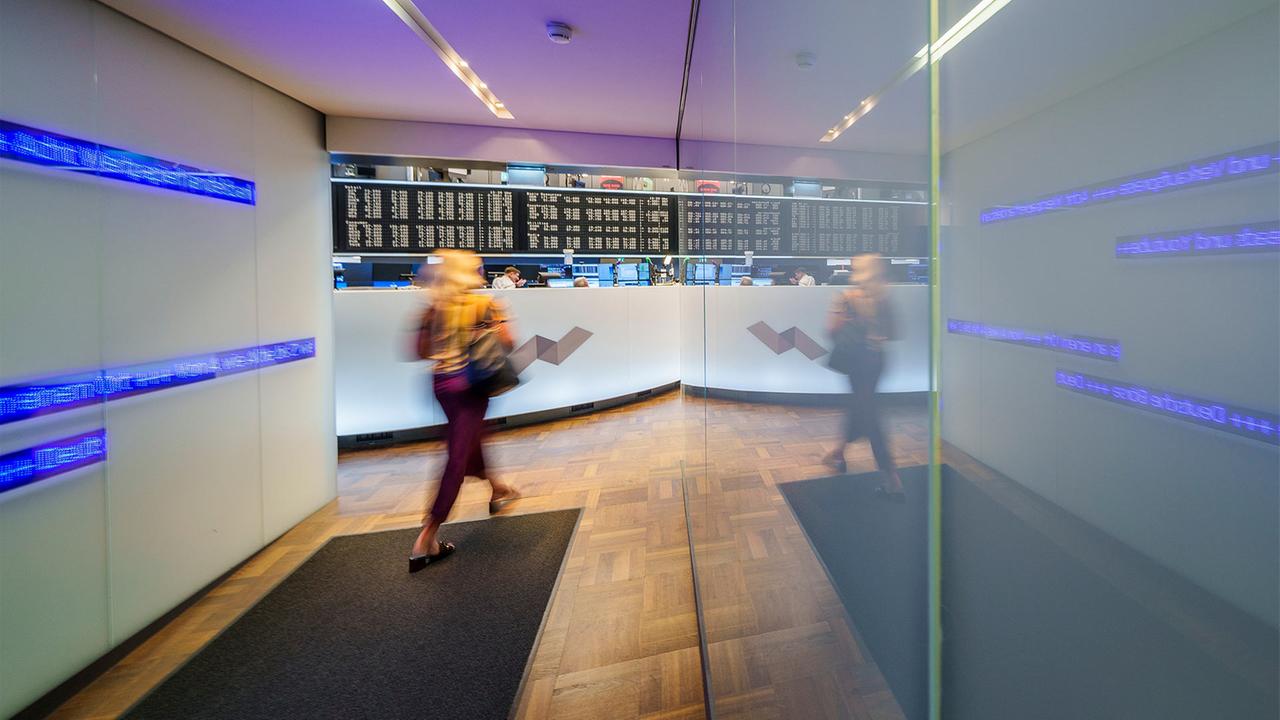
Global stock markets are experiencing downward pressure due to recent developments in the Middle East conflict. Adding to market volatility, U.S. President Trump's announcement of new blockades on Iranian ports has led to a surge in oil prices. This geopolitical instability is a key factor influencing the performance of major indices like the DAX. Investors are closely monitoring whether the DAX can maintain its position above the significant 25,000-point level amidst these challenging global conditions. The interconnectedness of geopolitical events and their impact on energy markets and broader financial systems is evident in the current market sentiment. The situation highlights the sensitivity of financial markets to international relations and energy supply dynamics.
Geopolitical events, such as the conflict in the Middle East and U.S. trade policy announcements, significantly influence global financial markets by creating uncertainty and impacting commodity prices. The rise in oil prices, directly linked to port blockades, can increase operational costs for businesses and consumer inflation, potentially dampening economic growth. This dynamic tests the resilience of major stock indices like the DAX, prompting questions about their ability to absorb such external shocks. Future market stability may depend on the resolution of these geopolitical tensions and the development of more robust strategies to mitigate the impact of energy price volatility on economic performance.
AI-generated to prompt reflection — not editorial opinion, not advice, not a statement of fact. How this works.