Dayanne Rodrigues, ex-wife of goalkeeper Bruno, hospitalized after three days missing
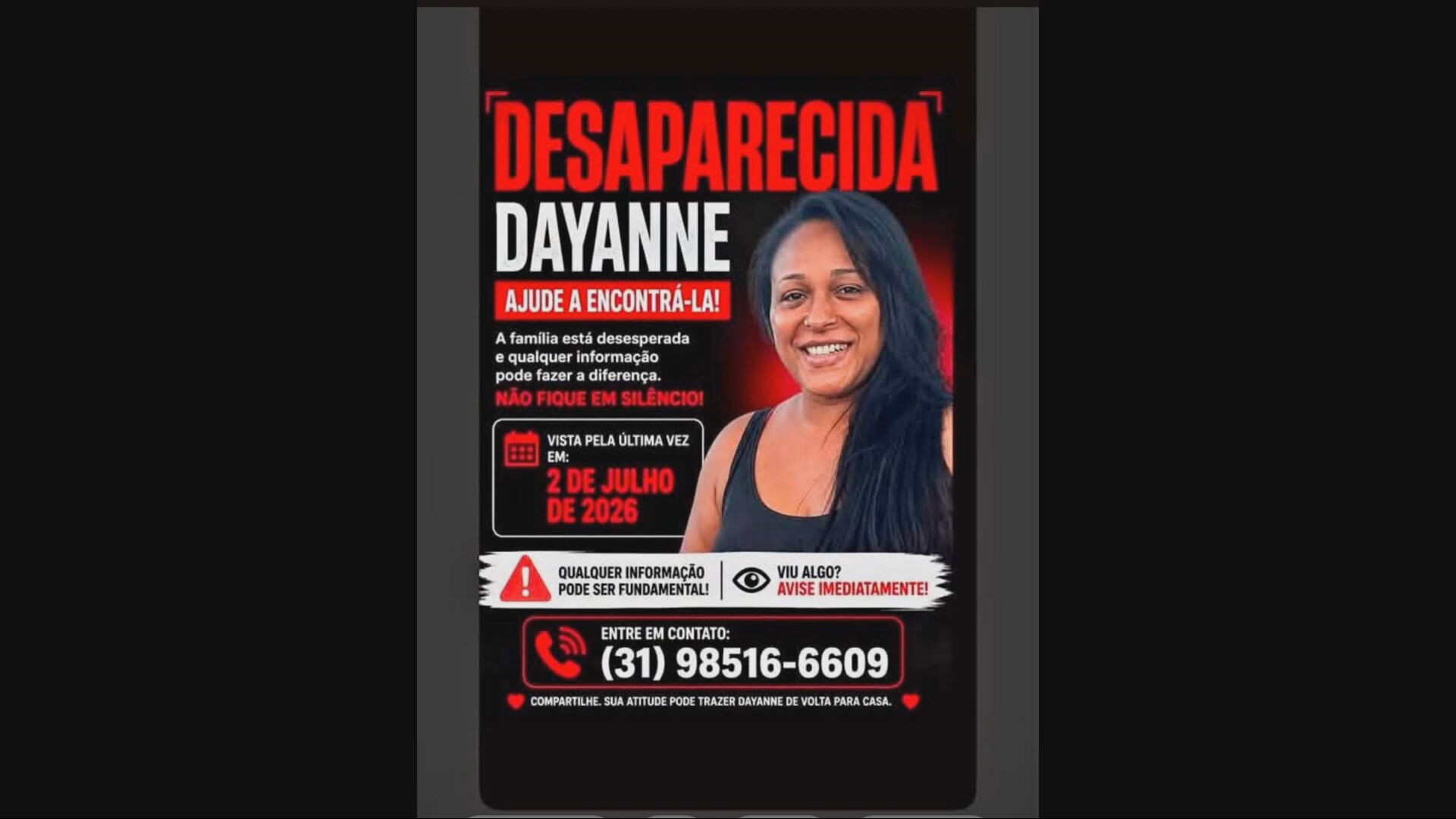
Dayanne Rodrigues do Carmo Souza, the ex-wife of goalkeeper Bruno Fernandes, has been admitted to a hospital in Belo Horizonte, Brazil. She entered the healthcare facility on Saturday night, November 4th, after being missing for three days. Details regarding her health status and the circumstances of her discovery have not yet been released. Rodrigues, 39, is a native of Belo Horizonte and has two daughters with the former goalkeeper. She gained public attention during the 2010 investigation into the murder of Eliza Samudio. Her name resurfaced recently when her family reported her disappearance to the Military Police. Previously, she was arrested in connection with the murder investigation and accused of kidnapping and holding Bruninho, the victim's son with Bruno, in private confinement. However, she was acquitted by the court in March 2013, with the prosecutor suggesting she had been coerced into caring for the child. During her trial, Rodrigues testified that she cared for Eliza Samudio's son at Bruno's request and was unaware of the model's fate. She reportedly left her home on Thursday morning, November 2nd, after dropping her children with her mother, and was not seen again. Her husband reported her missing on Friday morning, November 3rd, after finding her cell phone at their home in Ribeirão das Neves, Greater Belo Horizonte. The phone allegedly contained messages from loan sharks demanding payment for debts. Her husband also sought help on social media, sharing a missing person poster. In addition to the phone, letters were found, one expressing fear for her family and mentioning threats from loan sharks, with instructions on who should care for her children should something happen.
The disappearance and subsequent hospitalization of Dayanne Rodrigues, linked to the high-profile case of Eliza Samudio's murder, highlight the persistent societal challenges surrounding financial distress and personal safety. The reported threats from loan sharks and Rodrigues's expressed fears suggest a potential vulnerability stemming from debt, which can lead to severe personal crises. This situation underscores the need for accessible and discreet financial counseling services and robust support systems for individuals facing such pressures. Furthermore, the re-emergence of individuals connected to past criminal cases in new distress situations prompts reflection on the long-term impacts of such events on all parties involved and the importance of ongoing support mechanisms beyond legal proceedings. Examining the systemic factors that contribute to individuals falling prey to predatory lending and the psychological toll of past trauma is crucial for developing more effective preventative measures and support frameworks.
AI-generated to prompt reflection — not editorial opinion, not advice, not a statement of fact. How this works.