DEA Chief Warns of "Inseparable" Cartel-Mexico Government Ties
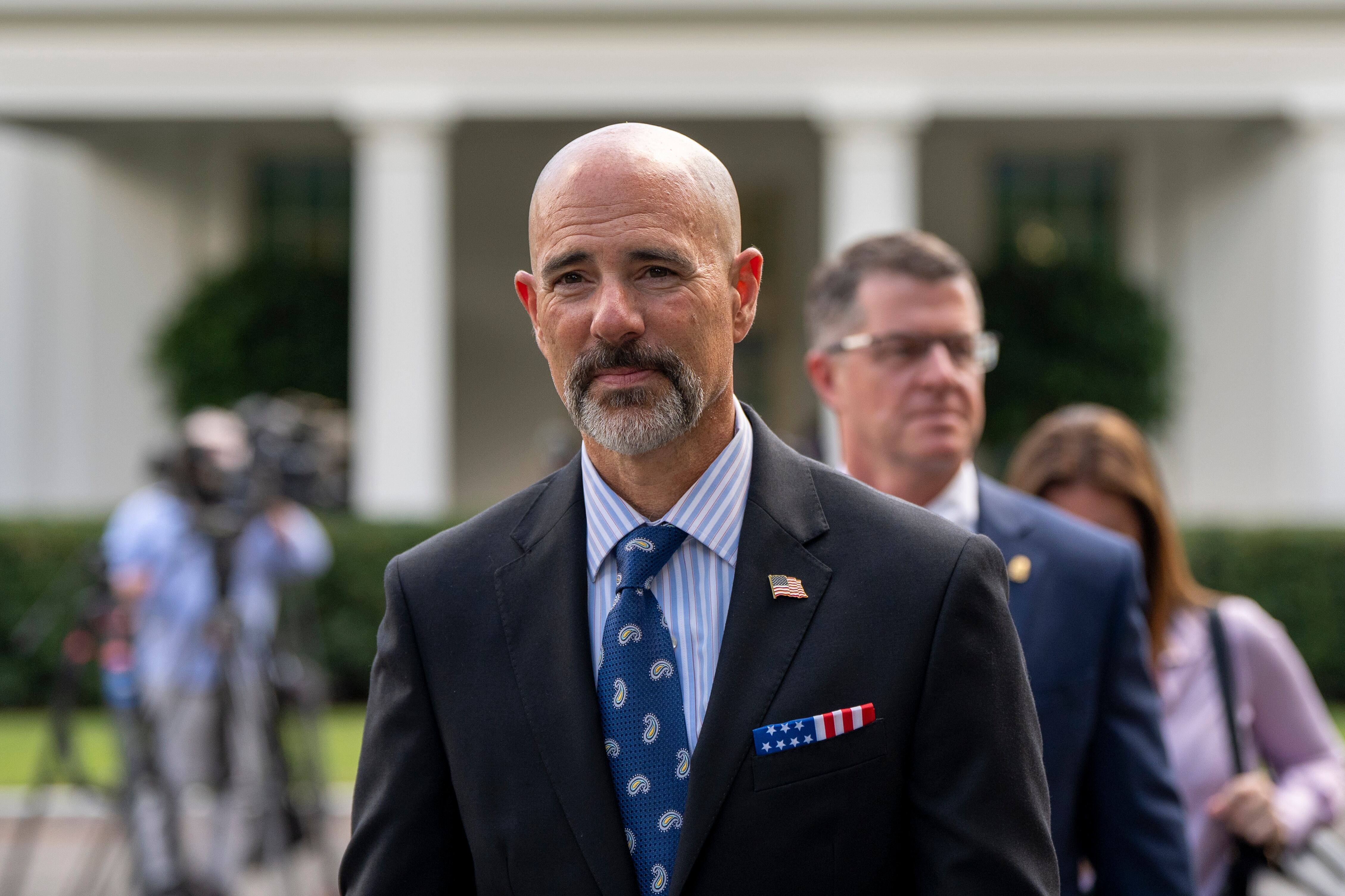
Drug Enforcement Administration (DEA) Administrator Terry Cole has highlighted a "dangerous connection" between Mexican cartels and the government, stating they are "inseparable." This assertion was made during the inaugural summit against fentanyl, underscoring the tense relationship between Mexico and the United States. Cole's remarks suggest a deep-rooted issue that complicates efforts to combat drug trafficking and the flow of illicit substances. The summit aimed to foster collaboration and develop strategies to address the opioid crisis, particularly the proliferation of fentanyl. However, the DEA chief's candid assessment casts a shadow over these cooperative endeavors. The "inseparable" nature of the cartels and governmental elements implies a systemic challenge that requires more than just law enforcement action. It points towards the need for comprehensive reforms and a robust approach to governance and accountability within Mexico. The ongoing dialogue between the two nations on this critical issue remains fraught with mistrust, exacerbated by such direct accusations.
The DEA Administrator's statement frames the cartel-government relationship as intrinsically linked, suggesting that efforts to combat drug trafficking may be hampered by internal corruption or complicity. This perspective challenges simplistic narratives of external drug cartels operating independently of state structures. From a systems-thinking viewpoint, such deep integration implies that addressing the fentanyl crisis requires not only interdiction and demand reduction strategies but also a focus on governance reforms, transparency, and accountability mechanisms within Mexico. The inherent contradiction lies in the dual pressures: the US demanding action against cartels, while the DEA simultaneously points to potential state entanglement. Future approaches may need to consider incentivizing governmental actors to sever these ties, potentially through international cooperation frameworks that prioritize institutional integrity alongside drug control.
AI-generated to prompt reflection — not editorial opinion, not advice, not a statement of fact. How this works.