Deacon Fired from University for Sexual Harassment, Victim Speaks Out
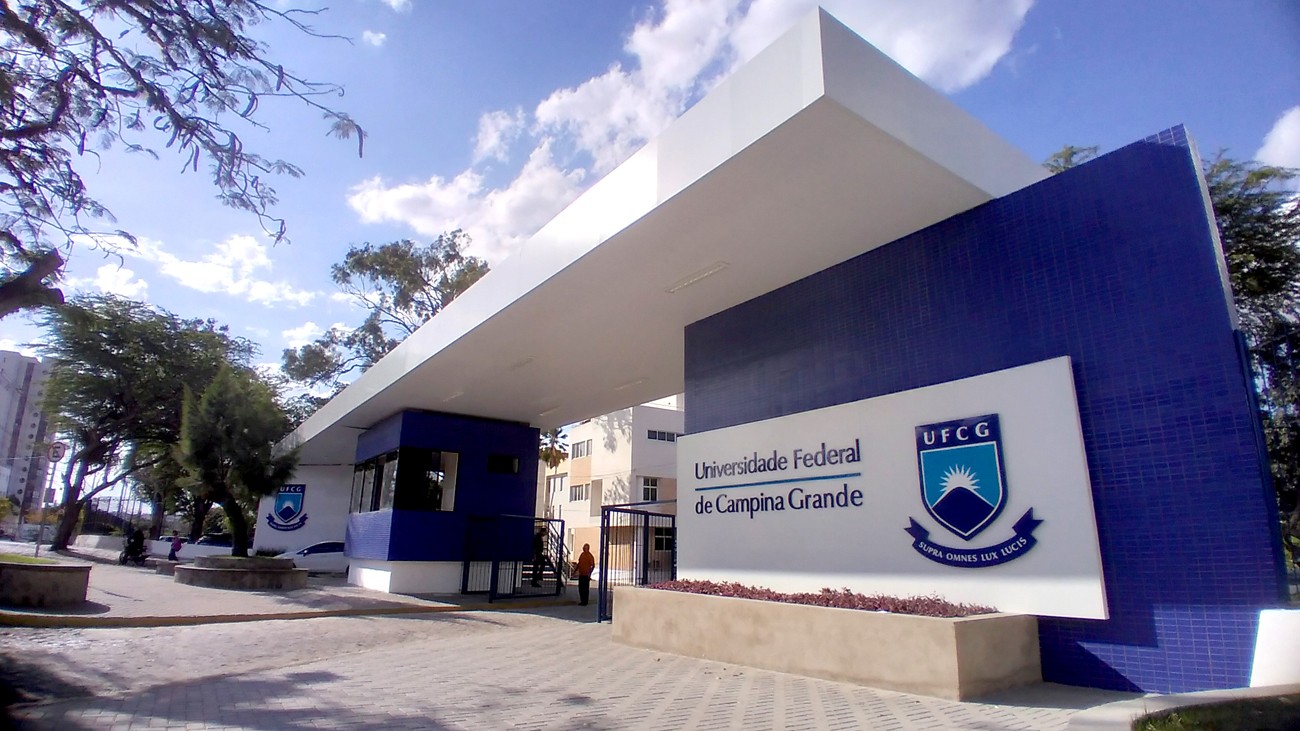
A woman has come forward to detail the sexual harassment she endured from Deacon Antônio Lisboa Leitão de Souza, a professor at the Federal University of Campina Grande (UFCG) in Paraíba, Brazil. The victim, who wishes to remain anonymous for safety reasons, reported that Leitão de Souza frequently made sexually suggestive comments and exhibited an obsession with discussing sex with women. These incidents occurred in 2017, the same year Leitão de Souza faced a judicial process for sexual harassment, which resulted in a conditional suspension of the proceedings after he fulfilled certain legal requirements, including community service. Following the recent revelations and public attention, the Diocese of Campina Grande has suspended Leitão de Souza from all church activities and ministry. The Ministry of Education (MEC) officially dismissed Leitão de Souza from his professorship at UFCG on July 14th, citing the use of his public office to engage in sexual misconduct and moral harassment against students. The MEC's decision, signed by Minister Leonardo Osvaldo Barchini Rosa, was published in the Official Gazette. The Diocese of Campina Grande stated it is investigating the facts according to canonical norms. Leitão de Souza's defense expressed surprise at the MEC's decision, claiming their requests were not considered and that he was previously acquitted in a criminal court for similar allegations. His defense intends to appeal the dismissal. The victim expressed disappointment, stating that Leitão de Souza, despite his former positions, is not an example and has continued to victimize others.
The dismissal of Deacon Antônio Lisboa Leitão de Souza from his university position and suspension from his religious duties highlights a critical intersection of institutional accountability and personal conduct. The case underscores the challenges in addressing allegations of harassment, particularly when they involve individuals holding positions of authority in both secular and religious spheres. The legal processes, including the conditional suspension in 2017 and the subsequent administrative dismissal by the MEC, suggest a pattern of behavior that has drawn scrutiny from multiple institutions. The defense's assertion of perplexity and intent to appeal raises questions about due process and the weight of evidence in administrative versus judicial proceedings. Moving forward, institutions must continually refine their mechanisms for investigating and adjudicating such claims, ensuring transparency, fairness, and robust protection for victims, while also upholding principles of justice for the accused. The long-term implications involve public trust in educational and religious organizations, and the imperative to foster environments free from harassment and abuse of power.
AI-generated to prompt reflection — not editorial opinion, not advice, not a statement of fact. How this works.