Dead Fish Found in Amazon River Near Juruti Dredging Site
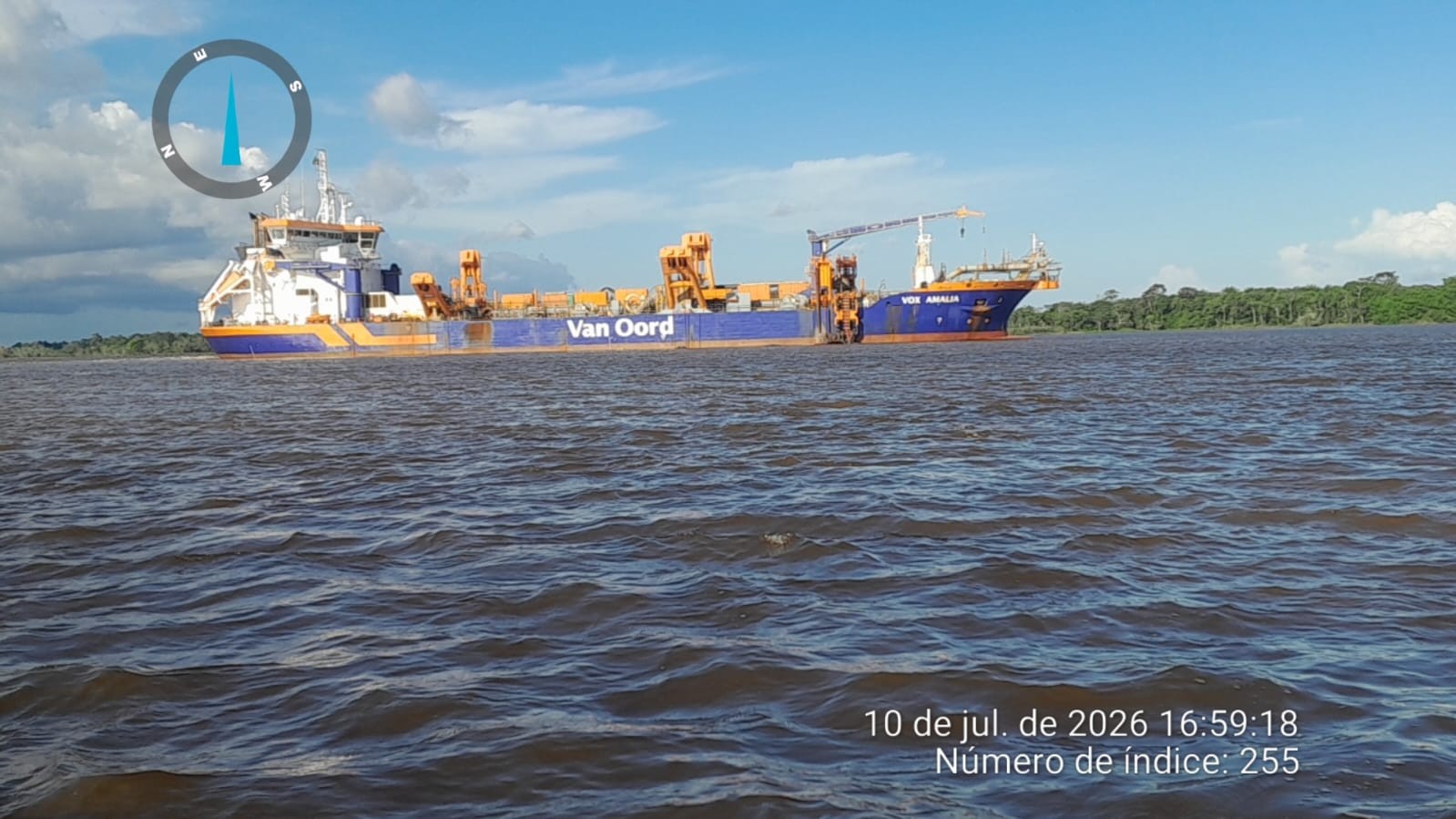
Residents of riverside communities in Juruti, western Pará, reported the death of numerous fish in the Amazon River on Tuesday, March 14th. The fish were found along the riverbanks and in the water near an area where dredging activities are underway. Videos shared by residents show dozens of dead fish, raising concerns about the environmental impact of the operation. The dredging, conducted by Alcoa to access its port terminal, began four days prior to these observations. This incident occurs amidst a dispute over the dredging project. On Monday, March 14th, the Federal Public Ministry (MPF) formally requested the suspension of the dredging and the annulment of the environmental permit granted to Alcoa. The MPF cited irregularities in the authorization process and potential socio-environmental damage to traditional communities, stating the project was approved without a comprehensive Environmental Impact Study (EIA) and Environmental Impact Report (Rima). Representatives from 13 riverside communities had previously issued a public statement on Friday, March 10th, criticizing the commencement of dredging without community presence, despite an agreement. They highlighted potential impacts such as sedimentation, water quality changes, reduced fish stocks, parasite emergence in fish, and harm to floodplain agriculture. Alcoa stated it has received the MPF's recommendation and is cooperating with authorities, maintaining ongoing dialogue with regulatory bodies and local communities. The State Secretariat of Environment, Climate and Sustainability (Semas) indicated it is monitoring the maintenance dredging, asserting that environmental licensing was waived under Federal Law No. 15.190 for such interventions. Further statements from Alcoa and Semas regarding the dead fish reports are pending.
The discovery of dead fish in the Amazon River near Juruti, following the commencement of dredging by Alcoa, raises significant environmental and governance questions. The Federal Public Ministry's intervention, citing procedural irregularities and potential socio-environmental harm, highlights a common tension between industrial development and environmental protection in ecologically sensitive regions. The legal framework allowing for waived environmental licensing for maintenance dredging, as stated by Semas, warrants scrutiny regarding its adequacy for interventions of this scale and potential impact. The communities' concerns about sedimentation, water quality, and fisheries underscore the critical need for robust, independent environmental impact assessments and transparent community consultation processes. Moving forward, ensuring that regulatory oversight effectively balances economic imperatives with the long-term ecological health and the rights of traditional populations will be crucial for sustainable development in the Amazon basin.
AI-generated to prompt reflection — not editorial opinion, not advice, not a statement of fact. How this works.