Dead Man's Address Leads Police to Murdered Teen in Santa Catarina
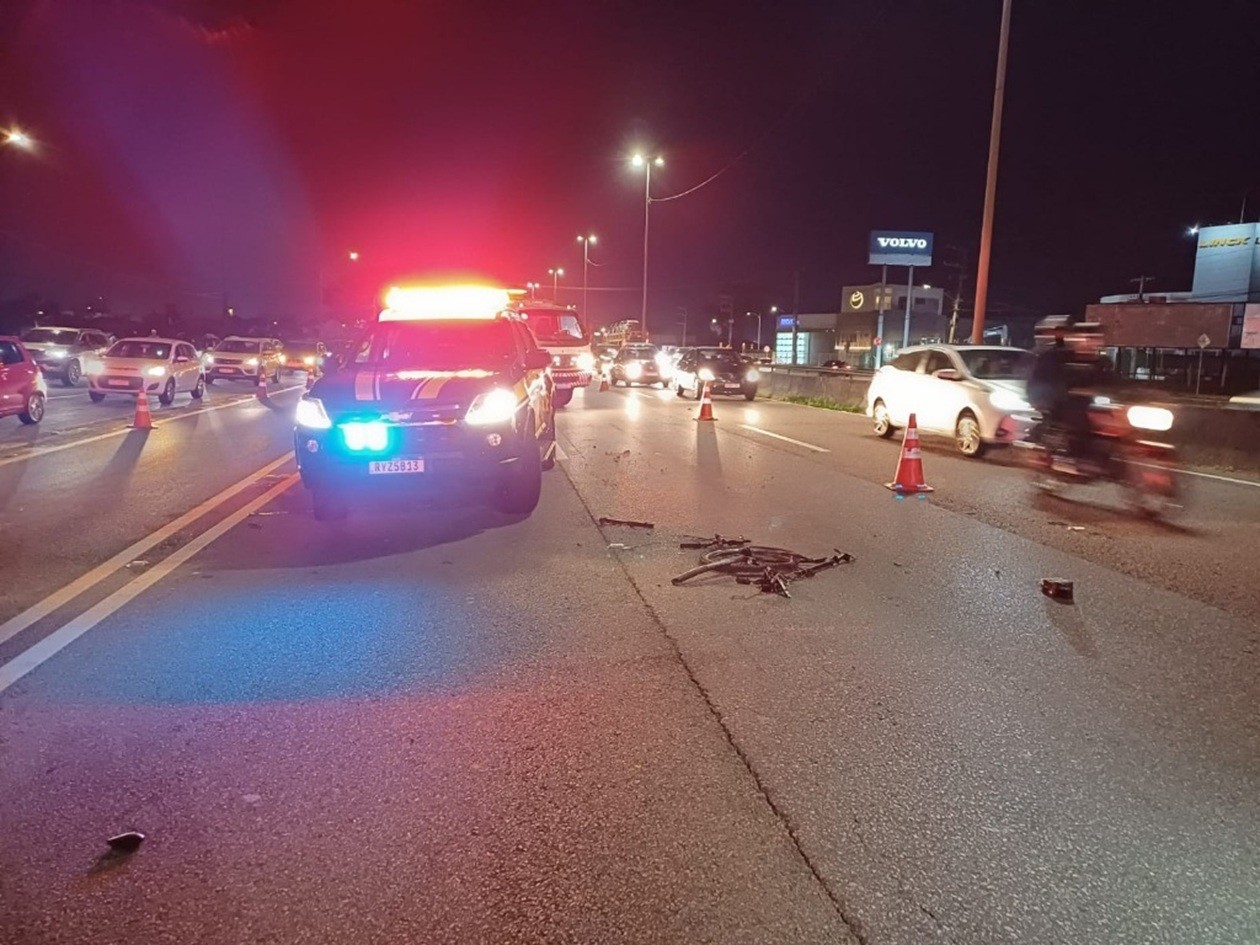
Police in Palhoça, Santa Catarina, are investigating the murder of a 14-year-old girl found dead in a residence on Sunday, May 26th. The discovery was made after a funeral home found a piece of paper with an address in the pocket of a 25-year-old man who had died in a traffic accident the previous day. The funeral home contacted the Military Police, who then proceeded to the address and found the deceased teenager. The young woman was reportedly in a romantic relationship with the man. The man died on Saturday, May 25th, around 6:30 PM, after being struck by a vehicle while pushing a bicycle on BR-101 highway in Palhoça. The bicycle was destroyed in the collision. The Civil Police are treating the teenager's death as femicide. The Federal Highway Police (PRF) will conduct a traffic accident investigation and forward their findings to the Civil Police, who may open a separate investigation into the man's death. Neither victim has been officially identified by name. The teenager was born in Santa Catarina, but the man's place of origin is unknown.
This tragic event highlights how unexpected circumstances can intersect with criminal investigations. The discovery mechanism, while unusual, underscores the importance of thoroughness in even routine procedures like funeral arrangements. From a systemic perspective, the case raises questions about the accessibility of support systems for individuals involved in potentially volatile relationships and the effectiveness of preventative measures. The investigation into the man's death by traffic accident, separate from the femicide inquiry, will likely examine the circumstances of the collision, including potential contributing factors, to ensure a complete understanding of the events leading up to the discovery. The legal process will aim to establish facts and accountability, while broader societal considerations may focus on early intervention and safeguarding vulnerable individuals.
AI-generated to prompt reflection — not editorial opinion, not advice, not a statement of fact. How this works.