Deadliest Wildfire on Record in Southern Spain Claims 12 Lives, Dozens Missing
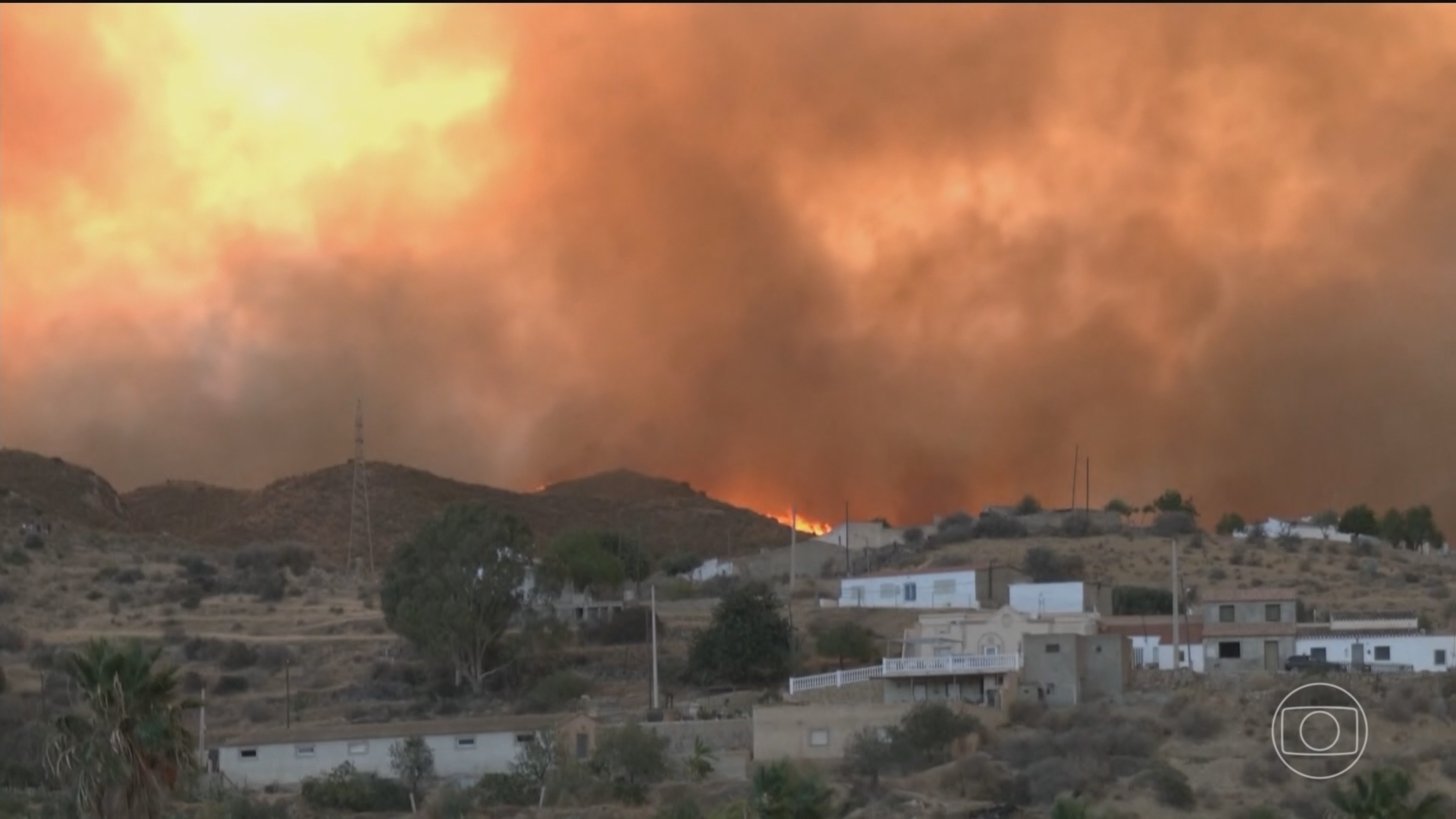
Southern Spain is grappling with its deadliest wildfire to date, which has claimed 12 lives and left 23 people missing. The inferno, which has consumed approximately 3,200 hectares, is believed to have started when a power line fell onto dry vegetation. The region of Andalusia, typically experiencing a rainy winter followed by a dry summer, had accumulated more vegetation than usual. Extreme heatwaves then dried out this vegetation, turning it into highly flammable fuel. Strong winds further exacerbated the situation, rapidly spreading the flames. Many of the victims are thought to be foreign nationals residing in or vacationing in the area. In one affected vehicle, four individuals perished, while others attempting to flee on foot were trapped by the advancing fire. Over 150 firefighters, supported by helicopters and water-bombing aircraft, are engaged in efforts to contain the blaze. The governor of Andalusia anticipates a challenging summer across Europe, referencing last year's extensive wildfires in Greece and Portugal, which saw over 1 million hectares burn across the European Union, marking the largest area ever recorded. This year's fire season has commenced earlier and in unexpected locations.
The confluence of unusually wet winters followed by extreme heatwaves in Southern Spain created a volatile environment ripe for catastrophic wildfires. This event highlights the increasing vulnerability of regions to climate-induced natural disasters, exacerbated by potential infrastructure failures like the reported power line incident. The rapid spread and devastating impact underscore the critical need for enhanced early warning systems, robust vegetation management strategies, and resilient infrastructure planning. As climate patterns shift, communities and authorities must proactively adapt to mitigate risks, balancing immediate response with long-term resilience to protect lives and property in an era of escalating environmental challenges.
AI-generated to prompt reflection — not editorial opinion, not advice, not a statement of fact. How this works.