Deadly Brain-Eating Amoeba: How to Prevent Infection
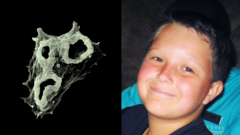
A recent outbreak in Kerala has highlighted the extreme danger posed by a brain-eating amoeba. This single-celled organism, scientifically known as Naegleria fowleri, can enter the brain through the nose and cause a rare but devastating infection. The amoeba is typically found in warm freshwater environments, such as lakes, rivers, and hot springs. Infection usually occurs when contaminated water enters the nasal passages during activities like swimming or diving. Once inside, the amoeba travels up the olfactory nerve to the brain, where it destroys brain tissue. This leads to primary amebic meningoencephalitis (PAM), a rapidly progressing and almost always fatal disease. Symptoms often begin within a week of exposure and can include severe headache, fever, nausea, and vomiting. As the infection progresses, individuals may experience stiff neck, confusion, loss of balance, seizures, and hallucinations. Early diagnosis is challenging due to the rarity of the disease and the similarity of its symptoms to other, more common infections. Prevention strategies focus on avoiding nasal exposure to untreated warm freshwater. This includes wearing nose plugs while swimming in potentially contaminated areas or avoiding water activities altogether in such environments. While rare, the severity of PAM underscores the importance of public awareness and precautionary measures.
The emergence of Naegleria fowleri infections, while exceedingly rare, serves as a stark reminder of the vulnerabilities inherent in human interaction with natural water systems. Public health messaging must balance the statistical rarity of such events with the critical need for awareness, particularly in regions with warm freshwater sources. Future public health strategies may need to integrate more sophisticated environmental monitoring and public education campaigns that are accessible and actionable for diverse populations. The challenge lies in fostering caution without inducing undue alarm, thereby empowering individuals to make informed decisions regarding recreational water activities.
AI-generated to prompt reflection — not editorial opinion, not advice, not a statement of fact. How this works.