Deadly Coal Mine Blast Kills 15 Near Quetta, Dozens Trapped
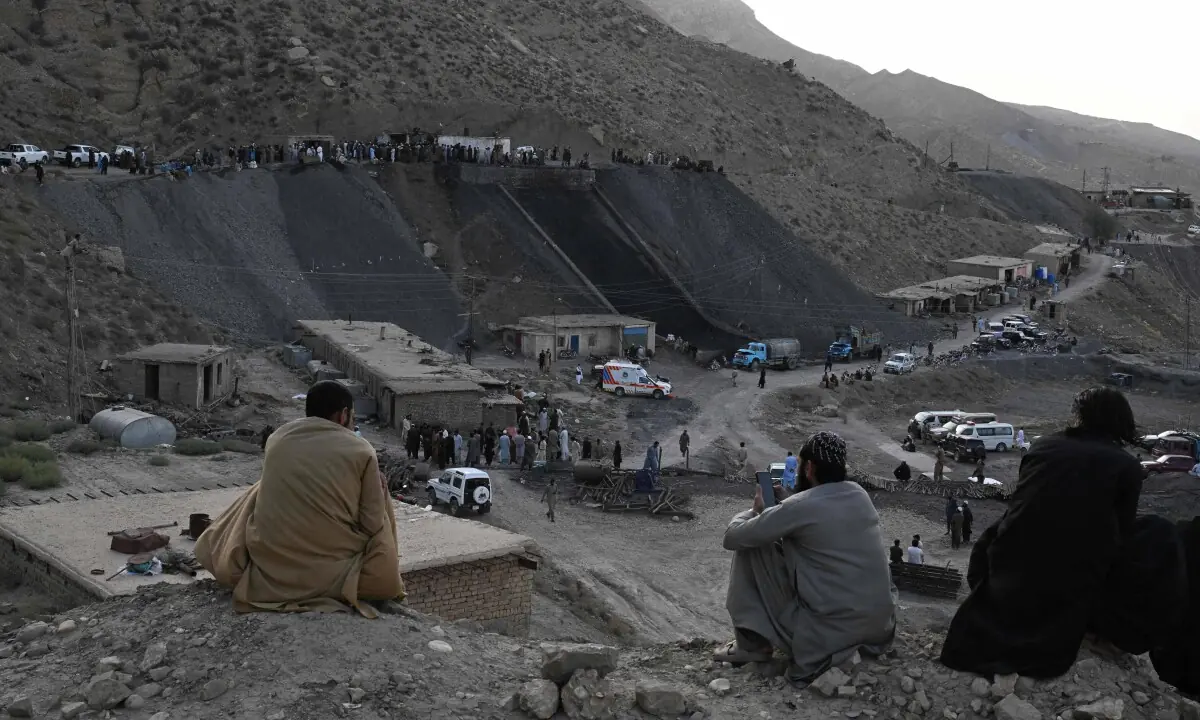
A powerful methane gas explosion at a private coal mine in the Sorange coalfield, approximately 30 kilometers northeast of Quetta, Afghanistan, resulted in the deaths of at least 15 coal miners on Thursday. The blast occurred in the afternoon while 24 miners were working about 4,000 feet underground. The explosion triggered a fire and caused structural collapses, trapping more than two dozen miners. The incident also affected a nearby mine, trapping an additional 12 workers, bringing the total number of miners present to 36. Rescue operations were launched by the Mines and Minerals Department and the Provincial Disaster Management Authority (PDMA). However, the operation faced significant challenges due to fire, toxic gases, and collapsed tunnels, severely hampering efforts to reach the trapped miners and recover bodies. Chief Inspector of Mines Muhammad Atif indicated that the chances of survival for those trapped were bleak. The explosion is believed to have been caused by accumulated methane gas, a common issue in Balochistan's coal mines. Provincial Minister for Mines and Minerals Mir Shoaib Nosherwani confirmed the recovery of 15 bodies and stated that efforts were ongoing despite the hazardous conditions. The provincial government announced compensation of Rs500,000 for the families of each deceased miner and Rs300,000 for injured workers. An inquiry into the incident has also been promised.
This incident highlights the persistent safety risks inherent in coal mining operations, particularly in regions where regulatory oversight and adherence to safety protocols may be inconsistent. The reliance on methane gas, a known hazard, as a primary cause of such explosions points to systemic issues in mine safety management and gas detection systems. The challenges faced during the rescue operation, including fire and toxic gases, underscore the need for advanced emergency response capabilities and infrastructure in mining areas. Moving forward, a decade-long perspective suggests that technological advancements in remote monitoring, automated safety systems, and improved ventilation technologies are crucial for mitigating future tragedies. Furthermore, a critical examination of the economic incentives driving mining operations versus the investment in worker safety is warranted to ensure that profit motives do not override fundamental human well-being.
AI-generated to prompt reflection — not editorial opinion, not advice, not a statement of fact. How this works.